
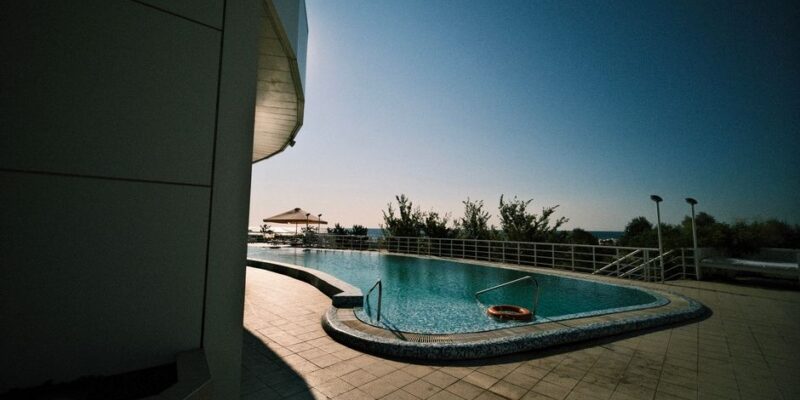
Pool coping stone isn’t just a finishing touch. It’s the structural and aesthetic boundary between your pool and the surrounding deck, and it takes a beating from sun, water, chlorine, and foot traffic every single day. The wrong choice leaves you with cracked edges, discoloration, and costly repairs within a few years. The right material protects your pool investment while looking sharp for decades.
After years of working with Arizona homeowners and seeing what holds up and what doesn’t, I’ve ranked the five most popular pool coping materials by durability, maintenance demands, and real-world performance. This guide will help you pick the material that matches your pool’s needs and your lifestyle.
Related: Best Travertine Pool Coping 2026: Top 5 Ranked
The Top 5 Pool Coping Stone Materials Ranked
| Material | Best For | Rating |
|---|---|---|
| Travertine | Durability & aesthetics | ★★★★★ |
| Limestone | Natural look & value | ★★★★☆ |
| Granite | Maximum durability | ★★★★☆ |
| Concrete | Budget-friendly pools | ★★★☆☆ |
| Slate | Contemporary design | ★★★☆☆ |
1. Travertine: The Clear Winner for Arizona Pools
Why it ranks first: Travertine is the gold standard for pool coping in the Southwest. It’s a porous natural stone that stays naturally cool underfoot even in scorching Arizona heat. The material comes with inherent texture that provides slip resistance, and its warm, neutral tones complement virtually any pool design.
Pros:
- Naturally cool to the touch in full sun
- Excellent slip resistance due to porous surface
- Available in multiple finishes (bullnose, eased edge, tumbled)
- Long lifespan with proper care
- Visually timeless and elegant
Cons:
- Porous nature means it absorbs water and minerals, requiring regular maintenance to prevent staining and scale buildup
- More expensive than concrete but less than granite
The honest take: Travertine requires attention. In Arizona, mineral deposits from hard water will accumulate on the surface over time, creating unsightly white buildup that diminishes the stone’s natural beauty. That’s where Scalebusters comes in. Professional micro-media blasting removes calcium and scale from travertine coping without the damage that acid or harsh chemicals cause. Regular professional cleaning preserves the stone’s texture and color, keeping it looking like new for years.
2. Limestone: The Budget-Conscious Alternative
Why it ranks second: Limestone offers many of the benefits of travertine at a lower price point. It’s softer and more porous, which means excellent slip resistance and that same cool-to-the-touch quality. Homeowners who want natural stone elegance without the top-tier cost often choose limestone.
Pros:
- Lower cost than travertine or granite
- Great slip resistance for pool safety
- Warm, inviting aesthetic
- Easy to customize with edge profiles
Cons:
- More fragile than travertine; prone to pitting and erosion over time
- Requires frequent cleaning and sealing to resist staining and mineral buildup
Limestone deteriorates faster than travertine in the Arizona climate. Mineral deposits settle deeper into the porous surface, and the stone’s softer nature makes it vulnerable to freeze-thaw cycles during cooler months. Budget for more frequent professional maintenance.
3. Granite: The Fortress Option
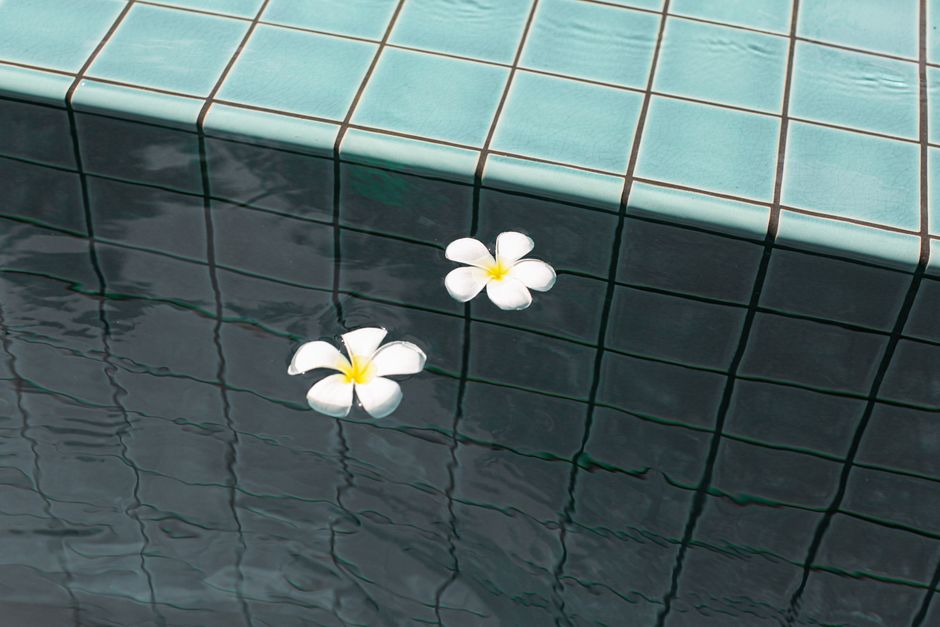
Why it ranks third: If durability is your only concern, granite is unbeatable. This igneous rock is one of the hardest natural stones available, resistant to scratching, cracking, and chemical damage. It won’t absorb water, and it resists staining far better than limestone or travertine.
Pros:
- Exceptional durability and hardness
- Minimal water absorption reduces mineral staining
- Comes in dramatic colors and patterns
- Requires less frequent cleaning than softer stones
Cons:
- Can be slippery when wet, posing a safety risk
- Higher cost than all other options
- Heat retention makes it uncomfortably hot underfoot in direct Arizona sun
Granite’s hardness is a double-edged sword. While it resists staining, its non-porous surface becomes slick when wet, and it absorbs and radiates heat intensely. Families with children or older adults should reconsider granite as a primary coping choice.
4. Concrete: The Budget Entry Point
Why it ranks fourth: Concrete is affordable and straightforward to install. It can be stained, stamped, or textured to mimic higher-end materials. For homeowners building their first pool or working within tight budgets, concrete serves the functional purpose of coping.
Pros:
- Low initial cost
- Wide range of customization options (color, texture, stamping)
- Quick installation timeline
Cons:
- Cracks easily under thermal stress and freeze-thaw cycles
- Absorbs water and mineral deposits, leading to staining and deterioration
- Typically needs replacement within 10-15 years in Arizona
- Becomes extremely hot in direct sun
Concrete coping in Arizona rarely lasts more than a decade before cracking becomes a structural issue. The cost savings upfront get erased by early replacement.
5. Slate: The Contemporary Choice
Why it ranks fifth: Slate offers a sleek, modern aesthetic with natural striations and dark tones. It’s harder than limestone but softer than granite, and it has a naturally low slip risk.
Pros:
- Contemporary, elegant appearance
- Good slip resistance
- More durable than concrete or limestone
Cons:
- Can split or delaminate if not installed properly
- Absorbs stains and mineral deposits
- Expensive to replace individual damaged tiles
- Requires professional installation and ongoing sealing
Slate’s layered structure makes it vulnerable to moisture infiltration and delamination. In Arizona’s dry climate with intense sun, thermal stress can cause the layers to separate, ruining the appearance and function of the coping.
What Makes the Difference: Installation and Maintenance
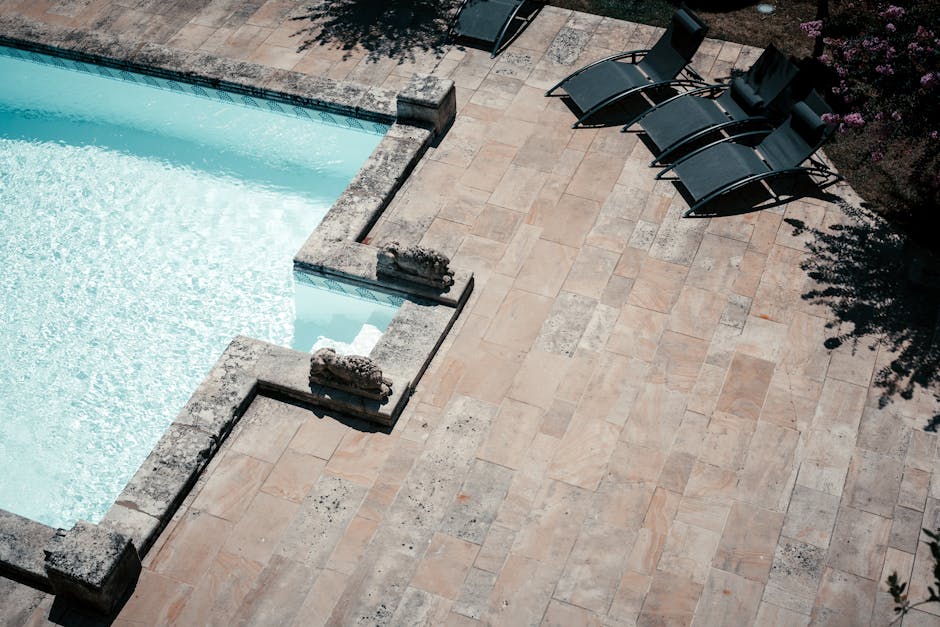
Material choice is only half the story. Even the best coping stone fails if installation doesn’t account for drainage, thermal expansion, and proper sealing. Professional installation ensures that your coping integrates seamlessly with the pool structure and surrounding terrace, creating a cohesive and safe edge.
Ongoing maintenance is where most homeowners stumble. Arizona’s hard water leaves mineral deposits on all porous stones. These deposits don’t just look bad. They degrade the stone’s surface, accelerate weathering, and can eventually compromise the structural integrity of the coping itself.
Protecting Your Investment: The Role of Professional Cleaning
Regardless of which coping material you choose, calcium and mineral buildup will occur. Traditional cleaning methods damage stone surfaces. Scrubbing with abrasive tools scratches and pits natural stone. Chemical treatments like acid can etch or discolor the material, especially travertine and limestone.
Related: Best Stone Swimming Pool Cleaning 2026: Top 5 Methods Ranked
Related: Best Natural Stone Pool Tile 2026: Top 5 Ranked & Compared
Related: Best Natural Stone Pool Finishes 2026: Top 5 Ranked
Related: Best Natural Stone Pool Coping 2026: Top 5 Options Ranked
Related: Best Limestone Pool Coping 2026: Top 5 Options Ranked
Related: Best Limestone Pool Coping 2026: Top 5 Ranked
Scalebusters specializes in removing calcium scale and mineral deposits from pool coping without harming the underlying stone. Using proprietary micro-media blasting technology, Scalebusters restores the original finish, color, and texture of your coping material while preserving its integrity. The service extends the lifespan of your coping investment and keeps your pool looking pristine.
The company has been serving Arizona homeowners since 1999 with a perfect BBB record. If you’re investing in quality coping material, protect that investment with professional cleaning tailored to your specific stone type.
Making Your Final Choice
Here’s the framework for deciding:
- Best overall durability and aesthetics: Travertine. It balances longevity, safety, and visual appeal better than any other option for Arizona pools.
- Best value: Limestone, if you’re willing to commit to regular professional maintenance.
- Best pure durability: Granite, but only if your pool area has shade or you’re willing to tolerate heat and slipperiness.
- Best budget option: Concrete, understanding that replacement will come within 10-15 years.
- Best contemporary look: Slate, with the caveat that installation and maintenance must be flawless.
Once you’ve chosen your material, contact Scalebusters to discuss a professional cleaning plan. A free quote will help you understand the ongoing care your specific coping material needs to stay beautiful and protected.
Frequently Asked Questions
How often does pool coping need professional cleaning?
In Arizona, with high mineral content in the water, most pools benefit from professional cleaning once or twice per year, depending on water quality and sun exposure. Hard water and intense UV exposure accelerate mineral buildup. Contact Scalebusters for a personalized recommendation based on your specific pool and water conditions.
Can I use the same sealer on travertine and limestone?
Not always. Travertine and limestone have different porosity levels and absorb sealer differently. Sealer selection should match the specific stone type and finish. A professional cleaner like Scalebusters can advise on the best sealer for your coping material after assessment.
What causes white buildup on pool coping?
Calcium deposits and mineral scale accumulate on pool coping as water evaporates and minerals are left behind on the stone surface. This occurs on all coping materials but is most visible on darker or textured surfaces. Hard water in Arizona accelerates this process significantly. Scalebusters removes these deposits using technology designed to restore stone without damage.
Is granite really too hot for a pool deck?
In direct Arizona sun, granite can reach temperatures that make it uncomfortable or unsafe to walk on barefoot. Dark granite especially absorbs and retains heat. If you prefer granite, ensure your pool deck has strategic shade or choose lighter granite varieties with lower heat absorption. Travertine remains naturally cooler due to its porous nature and light color.