Best Pool Fountain Scale Removal Service in Arizona

Best Pool Fountain Scale Removal Service in Arizona

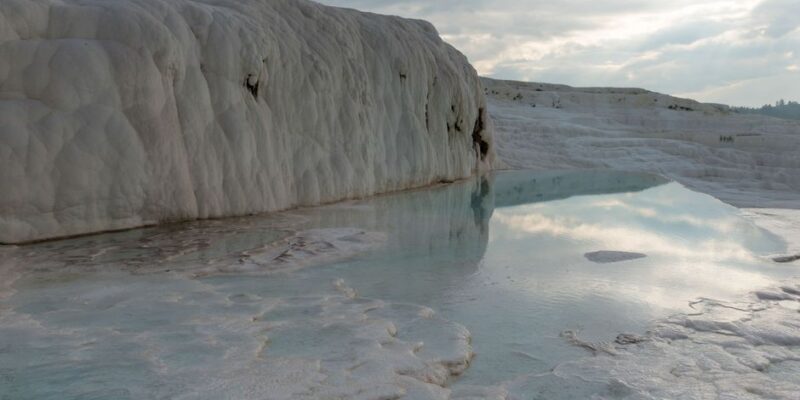
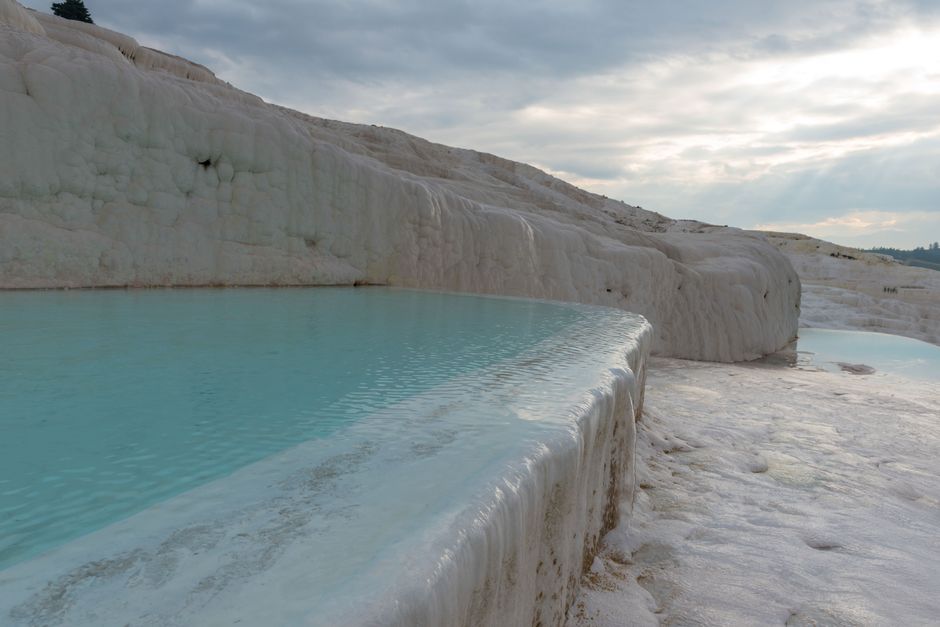
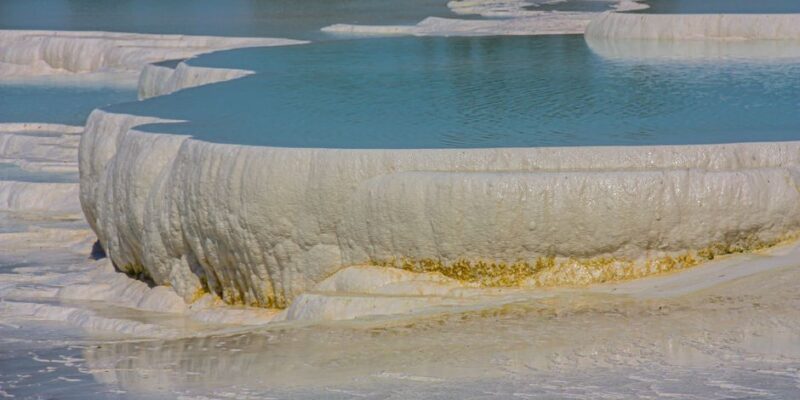
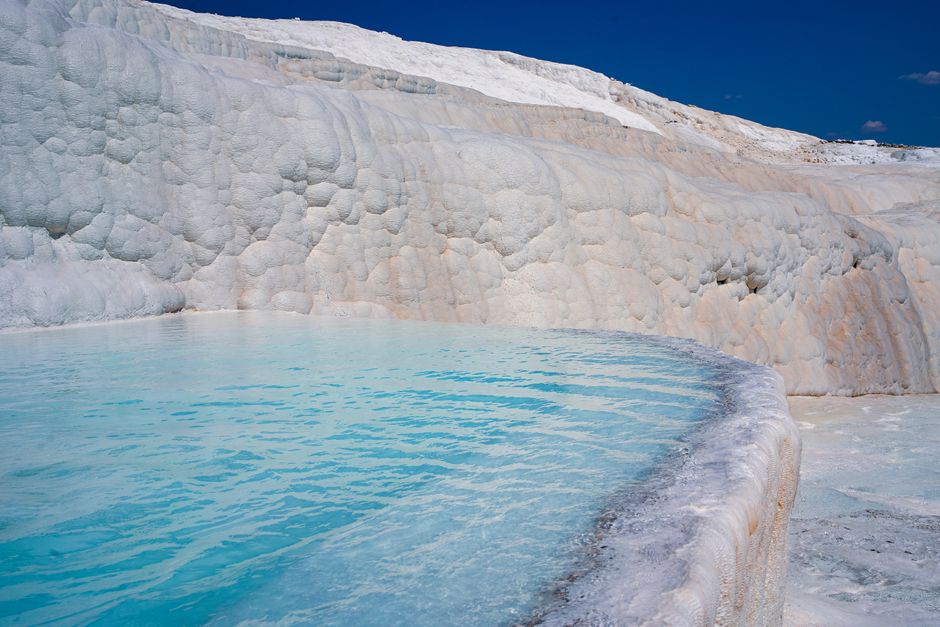
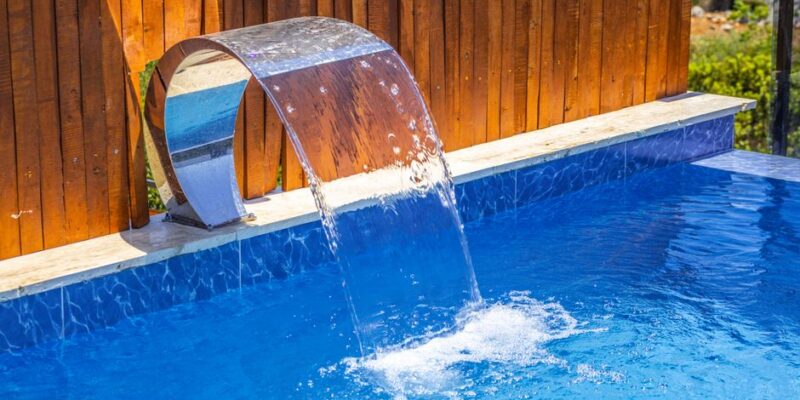
Your pool fountain should sparkle, not sit buried under white, chalky calcium buildup. If you’re looking at a once-beautiful water feature now covered in mineral scale, you’re not alone. Arizona’s hard water creates serious deposits that only professional-grade cleaning can fix. The good news? Scalebusters has been restoring fountains, tile, and water features across Arizona since 1999, and they know exactly how to bring yours back to life.

Why Fountains and Water Features Get Scale Buildup

Arizona water is loaded with minerals. Calcium, magnesium, and other deposits settle on fountain surfaces every time water splashes, sprays, or circulates. Over weeks and months, layers build up. That white, crusty coating isn’t just ugly. It traps moisture, can damage stone and tile finishes, and makes your entire backyard feel neglected even if everything else is pristine.

The problem gets worse the longer you wait. Scale hardens. Regular hose-downs won’t touch it. Store-bought cleaners are weak against Arizona’s mineral deposits. That’s why homeowners and property managers across Phoenix, Scottsdale, North Scottsdale, Tempe, Chandler, and the surrounding 60-mile radius turn to Scalebusters for fountain scale removal service in Arizona.

Related: Best Pool Tile Scale Removal Company in Arizona

Related: Best Pool Scale Removal Service in Phoenix & Arizona

How Scalebusters Removes Fountain Scale Without Damage

Scalebusters uses proprietary micro-media blasting technology. This isn’t harsh chemical soaking or abrasive scrubbing. Instead, tiny media particles are precisely blasted at your fountain surface at controlled pressure. The media removes scale deposits layer by layer while the equipment operator protects surrounding surfaces and delicate finishes.

Why does this matter? Your fountain’s material (stone, tile, plaster, concrete) deserves care. Micro-media blasting cleans aggressively enough to eliminate even thick, stubborn deposits without pitting, cracking, or discoloring the underlying surface. It’s the professional standard because it works on virtually any water feature material Arizona homeowners have.

The process is fast, too. Most residential fountains and water features are restored in a single service visit. You get results, not promises. Once Scalebusters finishes, your fountain looks restored, not just “cleaner.”

What You Get When You Hire Scalebusters for Fountain Restoration

  • Proven expertise since 1999. Two decades of Arizona pool and fountain work. Perfect BBB record. They know Arizona mineral deposits and how to beat them.
  • Proprietary micro-media blasting technology. No harsh chemicals. No acid. No DIY guessing. Professional-grade equipment and technique.
  • Safe for all fountain materials. Stone, tile, plaster, concrete, decorative finishes. Scalebusters protects what matters.
  • Fast turnaround. Most fountains completed in one visit. Your water feature is back in action quickly.
  • Transparent service. Scalebusters explains what they see, what they’ll do, and what results you can expect before work begins.
  • Local team serving your neighborhood. Operating throughout Phoenix metro, Scottsdale, North Scottsdale, Tempe, Chandler, and 60 miles beyond. Same-day or next-day availability in many cases.

Fountain Scale Removal Service Across Greater Phoenix and Beyond
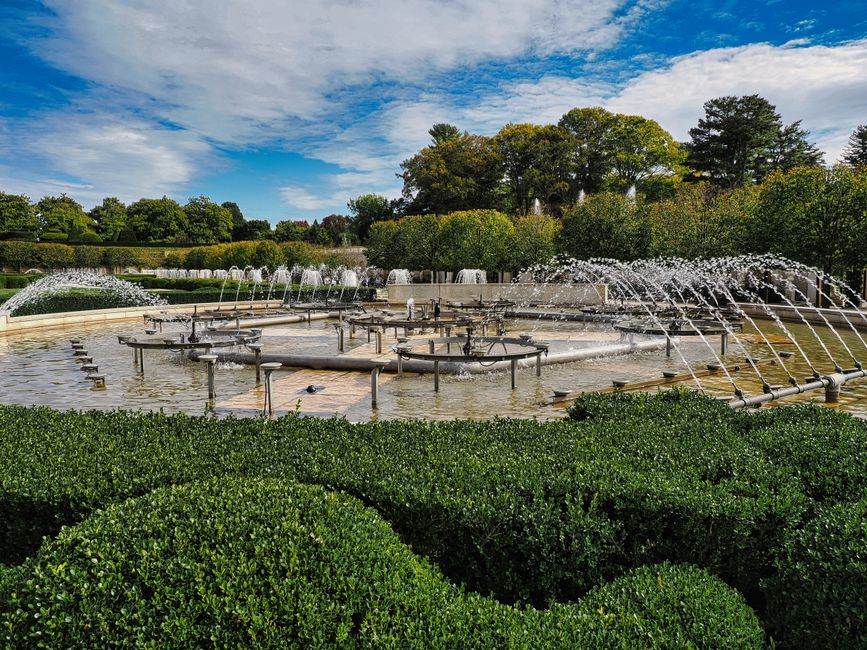
pool fountain scale removal service arizona

Whether your fountain is in a North Scottsdale estate, a Chandler community pool area, a Phoenix commercial property, or anywhere else in the region, Scalebusters travels to you. Their service radius covers Phoenix, Scottsdale, Tempe, Chandler, Gilbert, Ahwatukee, Paradise Valley, and communities within 60 miles of Phoenix.

Residential customers love the convenience. No need to drain your fountain and haul it away. Scalebusters brings the equipment and restores it on-site. Commercial property managers appreciate the professional reliability and quick turnaround that keeps their water features in showroom condition year-round.

Untreated mineral buildup accelerates material degradation over time. Regular professional cleaning extends the lifespan of your fountain investment.

Why Professional Scale Removal Beats Everything Else

You’ve probably heard plenty of advice about fountains. Online forums suggest soaking in vinegar. Hardware stores sell spray bottles. Friends recommend pumice stones or vinegar. None of it works on Arizona-scale mineral deposits. These approaches either damage your fountain, take forever, or leave you frustrated and out the money you spent on supplies.

Professional scale removal is the only reliable solution. Scalebusters has the technology, the expertise, and the reputation to restore your fountain the right way the first time. That peace of mind is worth the investment.

Get Your Free Quote from Scalebusters Today

Ready to see your fountain shine again? Contact Scalebusters for a free estimate. Tell them about your fountain, water feature, or pool tile. They’ll assess the scale buildup, explain what restoration looks like, and give you a clear quote with no surprises.

Scalebusters serves homeowners and property managers across the greater Phoenix area and beyond. Whether you’re in Scottsdale, Chandler, Tempe, or the surrounding neighborhoods, local professional scale removal is just a call away.

Frequently Asked Questions About Fountain Scale Removal

pool fountain scale removal service arizona

How long does fountain scale removal take?

Most residential fountains and water features are completed in a single service visit, typically a few hours depending on size and scale severity. Scalebusters works efficiently without compromising quality. Your fountain is ready to use again the same day in most cases.

Will micro-media blasting damage my fountain’s finish or material?

No. Scalebusters uses controlled pressure and proprietary micro-media designed to remove scale without harming the underlying surface. Whether your fountain is stone, tile, plaster, or concrete, the technique protects the material while eliminating deposits. The operator adjusts pressure and media type based on what they see during the initial assessment.

Can Scalebusters handle really thick, stubborn scale buildup?

Yes. That’s exactly what micro-media blasting excels at. Arizona’s hard water creates thick, stubborn mineral deposits that ordinary cleaning can’t touch. Scalebusters has the technology and expertise to restore even heavily scaled fountains and water features. The tougher the job, the more important it is to hire a professional.

What areas does Scalebusters serve?

Scalebusters provides pool fountain scale removal service in Arizona across the Phoenix metro area, including Scottsdale, North Scottsdale, Tempe, Chandler, Gilbert, Phoenix, Ahwatukee, Paradise Valley, and communities within a 60-mile radius. Contact them directly to confirm service availability for your specific location and get your free quote.
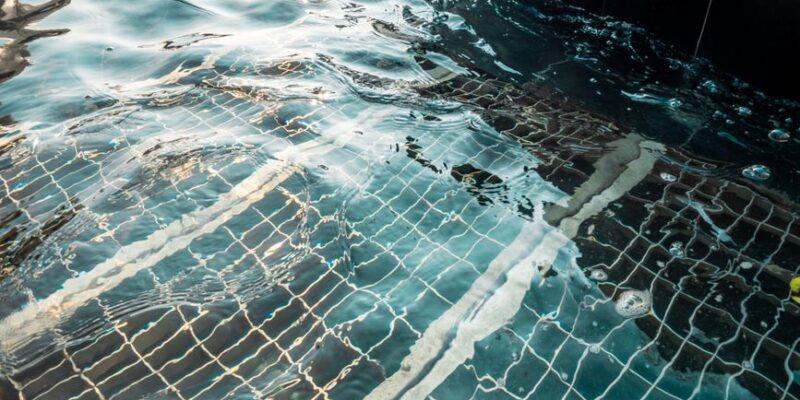
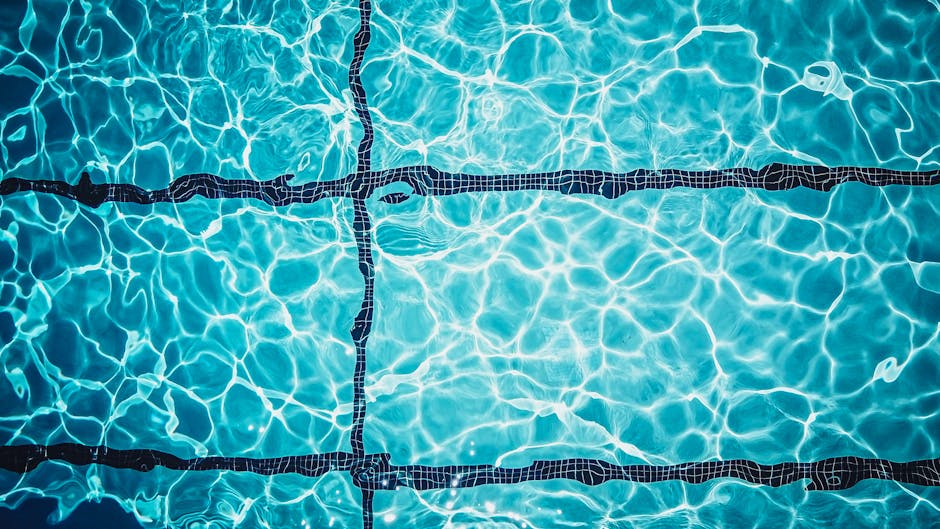
Hire a Pool Tile Cleaning Professional in Phoenix, Arizona

Hire a Pool Tile Cleaning Professional in Phoenix, Arizona

Your pool tiles are turning white. Calcium buildup is creeping up the waterline, dulling what should be a sparkling blue oasis. You’ve tried scrubbing, and nothing works. The good news: you don’t have to live with scale-covered tiles or spend your summer staring at discolored water features. When you hire a pool tile cleaning professional in Phoenix, you’re investing in a restoration that brings your pool back to like-new condition.

Calcium and mineral deposits aren’t just an eyesore. They can damage grout, degrade tile finishes, and create a breeding ground for algae and bacteria. But here’s the thing: most homeowners in the Phoenix area don’t realize there’s a solution that works without harsh acid chemicals or endless scrubbing.

Why You Need a Professional Pool Tile Cleaner in Phoenix

Phoenix’s hard water is notorious. The high mineral content in local water supplies means calcium buildup happens faster here than in many other parts of the country. Your pool tiles don’t stand a chance against it without specialized treatment.

Here’s what happens when you leave scale untreated:

  • Calcium becomes harder to remove the longer it sits.
  • Mineral deposits spread across grout lines and pool surfaces.
  • Water features like fountains and spillways lose their visual appeal.
  • Regular maintenance becomes harder and more expensive.

The solution isn’t to keep trying the same ineffective methods. Scalebusters specializes in removing calcium and scale from residential and commercial pools across Phoenix and the surrounding 60-mile service area, including neighborhoods throughout the Phoenix metropolitan area, Scottsdale, Tempe, Mesa, Gilbert, Chandler, and beyond.

How Professional Pool Tile Cleaning Works

When you hire a professional, you’re getting access to specialized technology designed specifically for calcium and mineral removal. Scalebusters uses proprietary micro-media blasting technology that restores tile without the dangers of muriatic acid or the ineffectiveness of pumice stones and scrubbing.

Here’s what the process looks like:

  • Assessment: The technician evaluates the extent of buildup, tile type, and water feature condition.
  • Targeted Treatment: Using advanced micro-media blasting, calcium deposits are removed from tile surfaces, grout lines, and water features without damaging the underlying material.
  • Restoration: Your tiles return to their original shine and color. Fountains, spillways, and other water features are restored to showroom condition.
  • Protection: The process prepares surfaces for ongoing maintenance and protects against future buildup.

The key difference between professional service and DIY attempts is precision and technology. This isn’t about pressure washing or applying store-bought products. It’s about using the right tool for the job, applied by someone who understands pool surfaces, tile materials, and how to avoid damage.

What Makes Scalebusters the Right Choice for Phoenix

You’re looking for someone reliable, experienced, and honest about what they can do. Scalebusters has been serving Arizona pool owners since 1999, with a perfect BBB record and a track record of transforming calcium-covered pools into stunning backyard features.

Related: Best Pool Tile Calcium Cleaning Company Near Phoenix, Arizona

Related: Best Spa Tile Cleaning Near Phoenix, Arizona

The company specializes in exactly what you need: calcium removal and tile restoration. They don’t just clean pools. They restore them. Whether you’re dealing with light surface scale or heavy mineral buildup that’s been sitting for years, they have the expertise and technology to handle it.

Scalebusters serves Phoenix and extends throughout the 60-mile radius, reaching Ahwatukee, Tempe, Mesa, Chandler, Gilbert, Scottsdale, Peoria, and all surrounding neighborhoods. If you’re in the greater Phoenix metropolitan area, they’ve got you covered.

The Cost of Professional Pool Tile Cleaning

hire pool tile cleaning professional phoenix

You might be wondering what this service costs. The answer depends on the size of your pool, the extent of buildup, and the specific surfaces that need treatment. Every pool is different.

Related: Best Professional Pool Tile Cleaning in Arizona 2026: Top 5 Ranked

Instead of guessing or worrying about price, the best move is to request a free quote from Scalebusters. They’ll evaluate your situation and provide a transparent estimate with no surprises.

What you’ll get from that quote is clarity. You’ll know exactly what’s involved, what results to expect, and what the investment is. Many Phoenix homeowners find that professional restoration is more affordable than they expected, especially when you factor in how much better your pool will look and how much longer your tiles will last.

Protecting Your Pool Investment Long-Term

Once your tiles are restored, the next step is keeping them clean. Scalebusters can discuss maintenance options that fit your situation. Regular professional service keeps calcium from building back up to the point where your pool looks neglected again.

For most Phoenix homeowners, a seasonal or periodic professional cleaning maintains that restored look without the headache of constant scrubbing or the expense of emergency restoration later.

Think of it this way: you invested in your pool as part of your home. It deserves the same quality care you’d give any other asset. When you hire a professional, you’re protecting that investment.

Ready to Restore Your Pool? Here’s What to Do Next

The process starts simple. Contact Scalebusters, describe what you’re seeing on your tiles, and they’ll schedule a free assessment. No pressure, no obligation. Just an honest look at what your pool needs and what’s possible.

You can have a sparkling, calcium-free pool again. Your water features can be restored to their original beauty. Your backyard can be the space you actually want to spend time in.

Stop settling for dingy, scale-covered tiles. Request your free quote from Scalebusters today and take the first step toward a pool that makes you proud.

Frequently Asked Questions

hire pool tile cleaning professional phoenix

How long does professional pool tile cleaning take?

The timeline depends on the size of your pool and the amount of buildup. Scalebusters will provide an estimated timeframe during your free quote. Most residential pools can be restored in a single day or across a couple of visits, depending on complexity.

Is micro-media blasting safe for my pool tiles?

Yes. Unlike harsh chemicals or abrasive scrubbing, the micro-media blasting technology used by Scalebusters is designed to remove scale without damaging tile surfaces, grout, or pool finishes. The process is safe for your pool, your family, and your pets once the work is complete.

Will calcium buildup return after professional cleaning?

Calcium can return over time, depending on your water chemistry and local conditions. However, regular maintenance and periodic professional service keep buildup from reaching the point where your pool looks neglected again. Ask Scalebusters about maintenance options during your consultation.

Does Scalebusters serve my area of Phoenix?

Scalebusters serves Phoenix and the surrounding 60-mile radius, including Scottsdale, Tempe, Mesa, Chandler, Gilbert, Peoria, Ahwatukee, and most of the greater Phoenix metropolitan area. Contact them to confirm service availability for your specific location.

Travertine Tile Around Pool: Installation & Maintenance Guide

Travertine Tile Around Pool: Installation & Maintenance Guide

Travertine tile is the gold standard for pool decks, especially in Arizona. This natural limestone material stays cool underfoot, resists slips naturally, and delivers that luxe resort aesthetic that makes you want to spend all summer poolside. If you’re thinking about travertine tile around your pool, you’re on the right track—but there are some real considerations to understand before you commit.

Why Travertine Tile Is Perfect for Pool Surrounds

Travertine is formed from mineral deposits, which means every tile has unique veining and color variation. You’ll find it in warm tones—ivory, silver, and gold—that complement the water and your landscaping naturally.

The real magic? Its porous composition keeps the surface temperature way lower than concrete or standard ceramic tile. Walk on it barefoot on a 115-degree Arizona afternoon and you’ll feel the difference immediately.

The textured surface also provides genuine slip resistance, which matters if you have kids, pets, or anyone who tends to run around the pool deck. That texture is built into the stone itself, not a coating that wears away.

And travertine holds up to heavy foot traffic. Pool decks get constant use—people coming in and out, lounging chairs shifting, chemical exposure from splashing. Travertine is durable enough to handle it for decades when installed and maintained properly.

Best Uses for Travertine Around Your Pool

Not every part of your pool area is ideal for travertine, and that’s important to know upfront.

Travertine shines in patios and walkways leading to the pool, around the coping (the edge where tile meets water), and in lower-activity pool deck zones where people are mostly standing, walking slowly, or sitting. These are the spots where travertine delivers maximum benefit without compromise.

Here’s the honest caution: travertine becomes slick when wet. If your kids play tag around the pool or you host active pool parties with running and diving prep, you’ll want to reserve travertine for the perimeter and use a textured non-slip surface right at the water’s edge and in high-activity zones.

It’s not that travertine can’t work in active areas—it’s that understanding your actual pool usage patterns before installation prevents regret later.

Installation Matters More Than You Think

Travertine installation isn’t a DIY weekend project. The material requires experienced hands to avoid costly mistakes.

First, your base matters. Travertine needs a properly prepared, level surface with solid drainage underneath. Poor prep work leads to cracking, uneven settling, and premature deterioration. Professional installers know how to assess your soil, add the right substrate layers, and ensure water drains away from the tile and your pool structure.

Second, the installation method itself requires skill. Travertine is porous, which means it absorbs water and cleaning solutions differently than non-porous tile. Grout selection, sealing application, and spacing between tiles all affect long-term performance. A contractor with documented experience installing pool deck travertine (not just bathroom travertine) knows these details.

Third, Arizona’s heat and mineral-heavy water present unique challenges. Your installer should understand how our climate affects stone and what preventative steps protect your investment. This is why hiring experienced travertine professionals in Arizona isn’t optional—it’s the difference between a deck that lasts 20 years and one that needs work in five.

Mineral Buildup and Scale on Travertine

travertine tile around pool

Here’s where Arizona pool owners face a real problem: our hard water deposits calcium and mineral scale directly on travertine tile. The porous nature of the stone makes it susceptible to buildup that dulls the surface and can trap dirt in the texture.

Traditional methods like acid washing or harsh chemicals can damage travertine’s natural finish and degrade the stone over time. Scrubbing with pumice or drill attachments risks scratching and uneven wear.

This is exactly why Scalebusters exists. Using proprietary micro-media blasting technology, we remove calcium scale and mineral deposits from travertine without chemicals or methods that harm the stone. The process is precise, safe for the tile, and restores that original color and texture you paid for.

If you’ve noticed white, cloudy buildup on your travertine pool tile or coping, that’s mineral scale—and it’s not just cosmetic. Left untreated, it can trap moisture and accelerate deterioration. Professional cleaning keeps your travertine looking sharp and protects the stone’s integrity.

Sealing and Long-Term Protection

Most travertine installers apply a sealer during installation. That sealer is your first line of defense against water absorption, staining, and mineral infiltration.

In Arizona, that sealer gets stressed constantly—by UV rays, chlorine, temperature swings from 50 degrees at night to 115 during the day, and mineral-heavy water splashing on it daily. The sealer wears down over time.

Having your travertine resealed every 2-3 years is standard maintenance. It’s an investment that keeps the stone protected and extends the life of your deck by years.

During resealing, a professional will inspect for any cracks, uneven settling, or areas where water is pooling. Catching these early prevents small problems from becoming expensive repairs.

Climate Considerations for Arizona Pool Owners

Arizona’s climate is actually pretty forgiving for travertine compared to regions with freeze-thaw cycles. You don’t have ice expansion cracking your tile in winter.

What you do have is intense heat, low humidity, and hard water. The heat accelerates sealer breakdown. The low humidity means moisture evaporates quickly from the porous stone (which is good for preventing mold). The hard water leaves deposits that need professional removal.

This means your maintenance routine should include periodic professional cleaning to handle mineral buildup and resealing to refresh the protective layer. Scalebusters specializes in exactly this—removing scale from Arizona pool tile and keeping your deck looking brand new.

Getting Your Travertine Pool Deck Right

travertine tile around pool

Choosing travertine tile around your pool is choosing quality and aesthetics. But it’s not a set-it-and-forget-it choice. You’re committing to proper installation upfront and professional maintenance ongoing.

Start by hiring a contractor with proven experience installing pool deck travertine in Arizona. Ask for references from other pool projects, not just bathroom renovations. Verify they understand local soil conditions, drainage requirements, and climate challenges.

After installation, plan for seasonal professional cleaning and resealing to keep minerals from accumulating and to refresh the stone’s protective finish. When calcium scale does build up—and it will in Arizona—reach out to Scalebusters to have it removed professionally without damage to the stone.

Your travertine deck isn’t just a surface—it’s part of your pool’s overall health and your home’s curb appeal. Treat it with the care it deserves, and it’ll reward you with years of beauty and durability.

FAQs About Travertine Tile Around Pools

Is travertine tile safe for pool decks?

Yes, travertine is safe and durable for pool decks. Its natural texture provides slip resistance, and it stays cool underfoot. The only caveat is that wet travertine becomes slick, so if you have high-activity zones where people run or dive prep, you may want to use additional non-slip surfaces in those specific spots while using travertine in lower-traffic areas.

How do I keep travertine tile looking new?

Regular professional cleaning removes mineral buildup and calcium scale that Arizona’s hard water leaves behind. Resealing every 2-3 years protects the stone from water absorption and staining. Avoid harsh chemicals or abrasive scrubbing, which can damage the natural finish. For mineral scale removal, contact Scalebusters to have it handled with specialized equipment.

Why does travertine tile get cloudy around pools?

Cloudiness is mineral scale—calcium and other deposits from hard water that accumulate on the porous stone surface. Arizona’s mineral-heavy water accelerates this. Professional scale removal restores the tile’s original clarity and appearance without damaging the stone.

Can travertine tile crack in Arizona’s heat?

Travertine can crack if the base is improperly prepared, if settling occurs unevenly, or if the stone is exposed to temperature stress from poor installation. Proper installation on a solid, level substrate minimizes this risk. Arizona’s heat alone doesn’t cause cracking—poor foundation work does.

Calcium Stains in Pool: What Causes Them and How to Fix

Calcium Stains in Pool: What Causes Them and How to Fix

Calcium stains in your pool show up as a white or chalky crust, usually gathering at the waterline and spreading across your tile, plaster, or water features. It looks grimy, it feels rough to the touch, and it’s a sign that your pool water chemistry is out of balance. The good news: this is fixable. The bad news: letting it sit does real damage to your pool’s structure and equipment over time.

What Actually Causes Calcium Stains in Your Pool?

Calcium stains aren’t just about hard water (though that can be part of it). The real culprit is high pH paired with low calcium hardness. When your pool’s pH climbs and calcium levels drop, the water becomes aggressive and starts pulling calcium from wherever it can find it: your tile, your plaster, your pump equipment.

Arizona’s water is naturally mineral-rich, which means your pool starts with a calcium disadvantage right out of the tap. Add sun exposure, chemical imbalances, and seasonal temperature swings, and calcium deposits build up fast. You’ll notice it most at the waterline because that’s where evaporation concentrates minerals the most.

Here’s the thing: calcium scale isn’t just an eyesore. Left untreated, it compromises your tile, erodes equipment seals, and can damage water features like fountains or jets. This is why you want to address it sooner rather than later.

Why Professional Removal Matters for Calcium Stains

You might be tempted to scrub it away or try a DIY approach, but calcium deposits bond hard to pool surfaces. Traditional methods can scratch, pit, or permanently damage your tile and plaster. Harsh chemicals also risk bleaching dark surfaces or corroding equipment if you’re not careful.

That’s where specialized treatment comes in. Scalebusters uses proprietary micro-media blasting technology designed specifically to dissolve calcium scale without harming the underlying surface. Instead of scrubbing or acid-dunking your entire pool, professional-grade calcium dissolvers are applied with precise dwell time, allowing the cleaner to work effectively while protecting your investment.

The process is thorough because it addresses not just the visible crust, but the mineral buildup that’s already bonded to your tile and waterline. One treatment restores clarity and prevents the scale from racing back immediately.

How Calcium Stain Removal Actually Works

When you hire a professional service like Scalebusters, the technician first assesses how heavy the buildup is and what surfaces you’re dealing with. Different tile types, plaster finishes, and water feature materials need different approaches.

Commercial-grade calcium dissolver is applied to affected areas and given time to break down the mineral bonds. The chemistry here is crucial: the cleaner needs to be strong enough to dissolve calcium carbonate deposits, but not so aggressive that it damages tile grout, plaster seals, or equipment. Dwell time matters too. Rushing the process leaves stains behind. Waiting too long risks surface damage.

Once the cleaner has done its job, gentle removal finishes the process without scratching. The result is restored tile clarity, a clean waterline, and equipment that runs better because mineral buildup isn’t restricting flow anymore.

Prevention Stops Calcium Stains from Coming Back

calcium stains in pool

After professional removal, your pool won’t stay pristine without maintenance. The key is staying on top of your water chemistry. Monitor pH and calcium hardness regularly, especially in Arizona where evaporation spikes during summer.

Related: Best Pool Calcium Removal Service in Phoenix, Arizona

Related: Calcium Deposits on Pool Tile: Professional Removal

Related: Best Calcium Deposit Removal in Arizona | Scalebusters

Balanced water chemistry prevents new scale from forming aggressively. Running your pump and filter consistently helps too. Poor circulation creates dead zones where minerals concentrate and deposit faster.

If calcium stains return months later, that’s often a sign your water needs adjustment or there’s a circulation issue. A professional can evaluate your setup and recommend adjustments to slow future buildup.

Why Scalebusters Is Your Best Option for Calcium Stain Removal

Scalebusters has been serving Arizona pool owners since 1999 with a perfect BBB record. The team specializes in calcium scale removal using equipment and methods that don’t exist in typical pool maintenance. They’re not guessing at chemistry or hoping vinegar works. They’re applying proven, professional-grade solutions to your specific situation.

Because Scalebusters focuses exclusively on scale and mineral removal, not general pool maintenance, every job gets expert attention. Whether you have calcium crusting your tile, staining your water features, or building up inside your equipment lines, the technology and expertise are there to handle it safely.

The fastest way to get your pool looking restored and protected is to request a free quote from Scalebusters. A technician will assess your calcium stains, explain what caused them, and show you exactly how professional removal will transform your pool.

Related Questions About Calcium Stains

Can calcium stains damage my pool permanently?

Yes. Scale buildup bonds to tile and plaster over time, and if left untreated for years, it can etch surfaces, weaken grout, and clog equipment. Addressing it early prevents long-term structural damage and keeps your pool functioning smoothly.

How long does it take to remove calcium stains professionally?

The timeline depends on how much buildup you have and how many surfaces are affected. A technician from Scalebusters can give you a realistic timeframe during the free quote. Some jobs are same-day; heavier deposits may take longer.

Will my pool stain again after professional removal?

Not immediately. Once removed, calcium stains return slowly if water chemistry stays balanced. If you notice rapid re-staining, it’s a sign your pH or calcium hardness is off, and adjustments are needed to prevent future buildup.

Is professional calcium removal safe for all pool surfaces?

Professional-grade methods like those used by Scalebusters are designed to be safe for tile, plaster, stone, and water features when applied correctly. That’s why hiring an expert matters. DIY approaches risk damaging surfaces that can’t be repaired easily.

Calcium Deposits on Pool Tile: Professional Removal

Calcium Deposits on Pool Tile: Professional Removal

Calcium deposits on pool tile are one of the most frustrating cosmetic problems pool owners face. That chalky white buildup doesn’t just look bad—it spreads fast, hardens over time, and gets way harder to remove the longer you wait. The good news? There’s a proven way to get rid of it that actually works.

Why Calcium Builds Up on Your Pool Tile

Calcium deposits form because of the mineral content in your pool water. As water evaporates from the tile line, it leaves behind minerals—mostly calcium carbonate. Arizona’s hard water makes this problem even more common. You’ll notice it as a white, crusty film along the waterline and on exposed tile surfaces.

The deposits come in two flavors. Calcium carbonate sits on the surface and looks like powder or a thin coating. Calcium silicate is way harder and actually bonds to the tile itself. Both are annoying, but silicate deposits are the ones that really dig in and refuse to budge without professional help.

Why Your Pool Tile Keeps Getting These Deposits

If you’re seeing calcium buildup, your pool water chemistry is slightly off. High pH, high alkalinity, or hard water all contribute. But here’s the thing—even a perfectly balanced pool will eventually develop some calcium on the tile line. It’s just part of pool ownership in Arizona.

The deposits also build up faster if you have a spa or water feature connected to your pool system. Fountains and spillways are calcium magnets because water constantly recirculates and evaporates in those spots.

Professional Calcium Removal Is Your Best Option

Scalebusters uses specialized micro-media blasting technology to remove calcium deposits safely and thoroughly. This isn’t pressure washing or acid—it’s a precision cleaning method that restores your tile without damaging the surface or grout.

Related: Remove Calcium on Pool Tile in Arizona: Fast Professional Cleaning

The process works by directing a fine stream of eco-friendly media at the deposits. It dissolves the buildup and blasts it away, leaving your tile looking brand new. Because the method is gentle, it protects your grout, tile finish, and pool structure. You won’t see cracks, erosion, or deterioration like you might with harsh chemicals or aggressive scrubbing.

Most Arizona pool owners benefit from professional cleaning every 2-3 years as part of their maintenance routine. If your deposits are heavy or you’ve let them sit for a while, one cleaning now will reset your timeline. After that, consistent pool chemistry and regular maintenance keep buildup minimal.

Why Other Methods Fall Short

calcium deposits on pool tile

Some people try to tackle calcium deposits themselves with vinegar, pumice stones, or scrapers. These methods are labor-intensive, messy, and often incomplete. You’ll spend hours scrubbing and still miss spots. Plus, aggressive scraping risks scratching or chipping your tile.

Chemical treatments sound like a quick fix, but they come with safety risks and can damage grout if you’re not careful. The aftermath often leaves residue and discoloration. Professional removal sidesteps all of that.

What to Expect From Scalebusters

Scalebusters has been serving Arizona pool owners since 1999 with a perfect BBB track record. The team knows how to handle every type of deposit—light surface buildup, stubborn silicate stains, and everything in between.

The process is straightforward. A technician assesses the severity of your deposits and determines the best approach. They use micro-media blasting to safely remove calcium without damaging your pool’s finish or surrounding surfaces. The whole process is contained and clean.

You’ll see results immediately. Your tile goes from cloudy white to clear, and the waterline looks fresh again. Your pool investment looks like new, and your water features shine.

Protecting Your Tile After Professional Cleaning

Once your deposits are gone, staying on top of pool chemistry helps prevent rapid buildup. Keep your pH balanced and alkalinity in range. Regular skimming and filter maintenance also reduce the minerals that settle on tile.

Think of professional calcium removal like getting your teeth cleaned at the dentist. It’s a reset that gives you a clean slate, and then good daily habits keep it that way.

Why Now Is the Time to Call Scalebusters

calcium deposits on pool tile

Calcium deposits don’t get better on their own—they only get thicker and harder to remove. The longer you wait, the more stubborn the buildup becomes. A quick call to Scalebusters for a free quote gives you a clear picture of what your tiles need and how fast you can get results.

Your pool is an investment. Keeping your tile clean and protected is part of protecting that investment. Professional removal ensures it’s done right the first time, without guesswork or damage risk.

When to Schedule Your Cleaning

Spring and early summer are popular times to book, before peak pool season. But calcium removal is available year-round. Many Arizona homeowners book a service in late spring, enjoy a clean pool all summer, and then schedule the next one 2-3 years later.

Related: Best Pool Calcium Removal Service in Phoenix, Arizona

Related: Best Pool Fountain Scale Removal Service in Arizona

Related: Best Pool Tile Scale Removal Company in Arizona

If your deposits are heavy or you’re preparing your pool for sale or a major event, don’t wait. Contact Scalebusters to get on the schedule and find out exactly what your tile needs.

How often do calcium deposits come back?

With balanced pool chemistry, deposits form slowly. Most Arizona pools need professional cleaning every 2-3 years. If your water is particularly hard or your pool chemistry runs high, you might see noticeable buildup sooner—usually every 18-24 months.

Will professional cleaning damage my pool tile?

No. Scalebusters’ micro-media blasting method is designed to remove deposits without scratching, cracking, or eroding tile or grout. It’s safe for all tile types, including natural stone, ceramic, and porcelain.

Can I prevent calcium deposits entirely?

Not completely. Even perfectly maintained pools in Arizona will develop some calcium on the waterline over time. The goal is to slow buildup and remove it professionally before it becomes a stubborn problem.

What makes professional removal better than home remedies?

Professional removal is faster, safer, more thorough, and doesn’t risk damage to your pool or grout. It targets both surface and bonded deposits that home methods simply can’t handle. You also get a warranty on the work and professional expertise that prevents future damage.

Old Swimming Pool Tiles: When to Restore vs. Replace

Old Swimming Pool Tiles: When to Restore vs. Replace

Old swimming pool tiles are tougher than you’d think, but they’re also magnets for calcium scale and mineral deposits that make them look dingy and aged. The good news? Most of the time, your tiles aren’t actually damaged—they’re just dirty. And there’s a right way to clean them that won’t crater your tiles or your budget.

Here’s what you need to know about assessing old pool tiles, understanding what’s really wrong with them, and deciding whether restoration or replacement is the move for your pool.

What Makes Old Pool Tiles Look Worn

When your pool tiles look old, chalky, or discolored, it’s almost always calcium scale or mineral buildup, not actual tile failure. Arizona’s hard water is the culprit here.

Related: Pool Grotto: What It Is & How to Add One

Pool tiles—especially glass or porcelain ones—are built to last decades. They don’t just crack or fail on their own. What happens instead is water minerals accumulate on the waterline and across the tile surface, creating a white, crusty layer that makes everything look aged and neglected.

This buildup is stubborn. It doesn’t respond to regular pool chemicals or scrubbing. And here’s the critical part: if you try to remove it yourself with harsh acids, pumice, or abrasive tools, you risk etching or permanently damaging the tile surface.

That’s where Scalebusters comes in. Their micro-media blasting technology removes calcium and scale without harsh chemicals or manual scrubbing, restoring your tiles to their original condition.

Assessing Whether Your Tiles Are Actually Damaged

Before you think about replacing tiles, you need to know if they’re truly damaged or just dirty.

Real tile damage includes cracks, chips, pieces missing, or tiles that are loose and shifting. If you see these issues, replacement may be necessary for safety and structural integrity.

But most “old” pool tiles aren’t damaged at all. They just have heavy calcium and scale buildup that makes them look terrible. Once that buildup is removed professionally, you’ll see the tile is perfectly fine underneath.

Here’s why this matters: tile replacement is expensive and invasive. If your tiles aren’t actually cracked or broken, restoration is the smarter first move. Scalebusters can assess your tile condition for free, and their team will tell you honestly whether your tiles can be restored or if replacement is the better option.

Why Calcium Scale Makes Old Tiles Look Ancient

Calcium scale isn’t just a cosmetic issue. It builds up thicker over time, and the longer it sits, the harder it is to remove without damaging the tile underneath.

Hard water minerals leave deposits at the waterline first. As water chemistry shifts and your pool ages, these deposits spread across tiles and into grout lines. They also collect around fountains, water features, and spillways.

Traditional methods to tackle this—acid treatments, muriatic acid, or heavy scrubbing—can etch tile, discolor grout, and even damage the tile finish permanently. Once the surface is etched, no amount of cleaning will restore it.

That’s why professional restoration with proven technology matters. Scalebusters has been removing calcium and scale from Arizona pools since 1999 using a method that’s aggressive on deposits but gentle on tile. Their micro-media blasting approach cleans down to the bare tile surface without chemicals or damage.

Restoration vs. Replacement: Which Path for Your Pool

old swimming pool tiles

Restoration is the right choice if your tiles are structurally sound but visually aged from buildup. Restoration returns them to their original color and finish, and it’s faster and less disruptive than replacement.

Related: Best Marble Swimming Pool Maintenance 2026: Top Providers Ranked

Related: Best Stone Swimming Pool Cleaning 2026: Top 5 Methods Ranked

Replacement is necessary if tiles are cracked, chipped, or missing—or if multiple tiles are loose and shifting. Replacement also makes sense if your tiles are outdated and you want a new look or different color.

The material of your old tiles matters too. Quality pool tiles—glass or porcelain—absorb water instantly without degrading and resist cracking and fading. If your tiles are original and in good shape structurally, restoration almost always makes sense economically and practically.

Your pool service pro should help you evaluate. When you reach out to Scalebusters for a free assessment, they’ll inspect your tiles and recommend the best path forward based on what they actually see, not what you assume.

The Long-Term Impact of Leaving Calcium Buildup Alone

If you ignore heavy calcium scale on old pool tiles, it keeps getting worse. The deposits thicken, trap more minerals, and become harder to remove over time.

Buildup can also trap moisture and debris in grout lines, leading to discoloration, mold growth, and structural issues in the grout itself. For waterline tiles and coping, scale buildup can trap water and speed deterioration of structural components.

The sooner you address heavy calcium on old tiles, the easier and less expensive restoration becomes. Professional cleaning also helps identify real damage early—cracks or loose tiles that need replacement before they become safety hazards.

Professional Restoration Preserves Your Tile Investment

Quality pool tiles—especially the ones already installed in your pool—are an investment. Restoring them preserves that investment and keeps your pool looking sharp for years to come.

Professional restoration also protects the tile finish. Once the calcium scale is removed properly, you’re left with tile that looks new again, and the finish is intact and protected.

This is important for resale value too. A pool with clean, bright tiles looks like it’s been maintained. Buildup and discoloration signal neglect, even if the tiles themselves are fine.

When you’re ready to get your old tiles restored, reach out to Scalebusters for a free quote. They’ll evaluate your pool, recommend the best approach, and handle the cleaning without mess or harsh chemicals.

What to Expect During Professional Tile Restoration

old swimming pool tiles

Professional restoration with micro-media blasting is straightforward. The equipment sprays a fine media (not sand or abrasives that scratch) mixed with water and compressed air to remove calcium scale layer by layer.

It’s targeted, so only the buildup is removed—the tile surface underneath stays protected. The process is fast (usually a few hours depending on pool size), and there’s no downtime for your pool once it’s done.

Your tiles will look restored, not just cleaned. The color comes back, the finish is clear, and the waterline looks crisp and new again.

How do I know if my old pool tiles need restoration or replacement?

If your tiles are discolored, chalky, or have white crusty buildup but are not cracked, chipped, or loose, they need restoration. A professional can inspect them for free and tell you honestly whether restoration will work or if replacement is necessary.

Can I clean old pool tiles myself?

Attempting to remove heavy calcium scale yourself with pumice, acid, or scrubbing tools risks permanently etching or damaging the tile surface. Professional restoration is the safe, effective way to restore old tiles without damage.

How much does it cost to restore old swimming pool tiles?

Restoration costs depend on pool size, the amount of buildup, and the number of water features. Contact Scalebusters for a free quote—they’ll assess your pool and give you an accurate price based on your specific situation.

Will my old pool tiles look new after professional restoration?

Yes. Once heavy calcium and scale are removed professionally, old tiles return to their original color and finish. Your pool will look restored, not just cleaned.

What Is a Plunge Pool? Design, Benefits & Care Guide

What Is a Plunge Pool? Design, Benefits & Care Guide

A plunge pool is a smaller swimming pool designed for relaxation, cooling off, and lounging rather than full-length swimming. Think of it as the sweet spot between a hot tub and a traditional backyard pool. They’re compact, stylish, and perfect if you’ve got limited outdoor space but still want that luxury water feature vibe.

If you’re considering adding one to your Arizona home, you’re looking at a smart investment that brings serious aesthetic appeal and daily enjoyment. But like any pool, plunge pools need proper care to keep them looking stunning. That’s where understanding maintenance comes in.

What Makes a Plunge Pool Different From a Regular Pool

The biggest difference? Size and purpose. A standard pool is built for swimming laps or playing water games. A plunge pool is smaller, shallower, and designed specifically for you to cool off, relax, and enjoy the water without needing tons of yard space.

Most plunge pools range from 6 to 8 feet wide and 12 to 15 feet long, though dimensions vary. They’re typically 2 to 4 feet deep, so you can sit and soak without worrying about deep-water safety concerns. This compact footprint is exactly why they’ve become so popular with Arizona homeowners who want luxury without the maintenance headache of a full-size pool.

The cost difference is real too. Plunge pools require less water, less electricity to run, and fewer chemicals to maintain. Installation is quicker, and they fit into tight spaces that a traditional pool simply couldn’t.

Popular Plunge Pool Design Options

One of the coolest things about plunge pools is how customizable they are. You can build them to match your style and what you actually want from the experience.

Square or Rectangular Layouts – These are classic and super versatile. You can add built-in seating around all sides, creating a spa-like environment where friends and family can gather comfortably.

Calm Water Versions – If you’re after pure relaxation, a calm plunge pool with still water is your answer. Perfect for cooling off on a hot Phoenix afternoon or just floating quietly.

Jetted Plunge Pools – Want the massage and hydrotherapy benefits? Jetted models include water jets similar to a spa, giving you therapeutic benefits while you relax. These are popular with homeowners who want that luxury resort feel at home.

You can also customize finishes, decking materials, and surrounding landscaping to create a cohesive outdoor living space that feels uniquely yours.

Why Arizona Homeowners Are Choosing Plunge Pools

In Arizona’s intense heat, a plunge pool is honestly one of the smartest additions you can make to your backyard. Here’s why so many locals are jumping on them:

  • They cool you down fast without consuming a ton of water or electricity
  • They take up minimal yard space, even in smaller lots
  • Installation is quicker than traditional pools
  • Maintenance costs stay lower than full-size pools
  • They add serious resale value to your home
  • They create an Instagram-worthy outdoor living space

Whether you’re entertaining guests, spending quiet time alone, or looking for that high-end outdoor upgrade, plunge pools deliver on all fronts.

Keeping Your Plunge Pool Tile and Features in Top Shape

plunge pool

Here’s where most plunge pool owners run into trouble: mineral buildup and calcium scale on the tile and water features. Arizona’s hard water is notoriously tough on pools. Over time, mineral deposits build up on your beautiful tile, making it look dull, discolored, and neglected even if you’re doing everything right chemically.

This is where professional cleaning becomes essential. Scalebusters specializes in removing calcium scale and mineral deposits from pool tile and water features using proprietary micro-media blasting technology. Unlike harsh chemicals or traditional acid methods, this approach safely restores your tile without damaging the surface or harming the pool environment.

Regular professional scale removal keeps your plunge pool looking pristine, protects your tile investment, and actually extends the life of your pool finishes. Since plunge pools are often statement pieces in your outdoor space, keeping that tile sparkling is key to maintaining curb appeal and that resort-style aesthetic you’re paying for.

Installation Considerations for Your Plunge Pool

Before you break ground, a few things matter when planning your plunge pool installation:

  • Site Access and Space – Measure your yard carefully and ensure equipment can access the installation area
  • Drainage and Grading – Proper drainage around your pool prevents water damage and structural issues
  • Electrical Hookup – Your pump, filter, and jets need reliable power supply
  • Local Permits – Arizona has specific pool codes and safety requirements that apply even to smaller pools
  • Sun Exposure – Consider shade and heat to plan for water temperature and evaporation

Working with experienced builders who understand Arizona’s climate and soil conditions is crucial. Poor installation leads to costly repairs down the road.

Long-Term Maintenance and Care

Once your plunge pool is installed, consistent maintenance keeps it looking and functioning beautifully. This includes regular chemical balancing, filter cleaning, and debris removal. But the hidden killer for plunge pools in Arizona is mineral scale buildup.

Your pool’s chemical balance is important, but it can’t prevent mineral deposits from accumulating on tile and water features. This is where professional cleaning from Scalebusters makes the difference between a pool that looks average and one that looks magazine-worthy.

Many homeowners don’t realize that once scale starts building up, it gets harder to remove. Getting ahead of it with periodic professional cleaning is way smarter than waiting until the tile looks terrible.

Is a Plunge Pool Right for You?

plunge pool

A plunge pool makes sense if you want a high-end outdoor feature that fits a smaller space, delivers luxury vibes, and doesn’t require the maintenance overhead of a traditional pool. They’re perfect for Arizona homeowners who value quality over quantity and understand that a smaller, well-maintained pool beats a large neglected one.

The one commitment you need to make: keeping the tile and water features clean and mineral-free. This is non-negotiable if you want your plunge pool to look its best year-round. That’s where having Scalebusters in your corner matters. Their micro-media blasting technology removes mineral deposits without harsh chemicals, keeping your investment looking fresh and protected.

If you’re ready to add a plunge pool to your Arizona home or already have one that needs professional scale removal, reach out. Contact Scalebusters for a free quote on tile and water feature cleaning, and let’s keep your plunge pool looking stunning.

Frequently Asked Questions

How much space do I need for a plunge pool?

Most plunge pools need a minimum area of about 6 by 12 feet, though many are larger. The exact space depends on your design preferences, local code requirements, and how much deck space you want around it. Scalebusters can discuss space considerations when you request a quote for maintenance planning.

What’s the difference between a plunge pool and a soaking pool?

A plunge pool is designed for cooling off and brief immersion, while a soaking pool is shallower and built primarily for sitting and relaxing. Both benefit from regular professional cleaning to remove mineral deposits that Arizona’s hard water creates.

Related: What Is a Lava Pool? Arizona Guide to Keeping It Clean

How often should I have my plunge pool tile professionally cleaned?

This depends on your water hardness, usage, and sun exposure. Many Arizona homeowners benefit from professional scale removal twice a year. Contact Scalebusters to assess your specific situation and create a maintenance schedule.

Can I prevent mineral buildup on my plunge pool tile?

While proper chemical balance helps, Arizona’s hard water makes mineral deposits inevitable over time. Professional cleaning is the most effective solution. Scalebusters uses micro-media blasting to remove deposits without harsh chemicals or damage to your tile.

Pool Water Problems: What's Actually in Your Arizona Pool

Pool Water Problems: What’s Actually in Your Arizona Pool

Your pool water looks clear, but there’s a lot happening beneath the surface. If you live in Arizona, your tap water is packed with minerals and calcium that don’t just float around—they settle on your tile, grout, fountains, and water features, creating crusty white and brown buildup that gets worse every season.

This isn’t something you can ignore. Calcium scale doesn’t go away on its own, and it gets harder to remove the longer it sits. Let’s talk about what’s actually in your pool water and why it matters.

What’s Really in Arizona Pool Water

Arizona has some of the hardest water in the country. That means your pool water contains dissolved minerals—mainly calcium and magnesium—that come straight from your tap.

When water sits in the sun and gets heated, those minerals precipitate out of solution. They don’t evaporate like water does. Instead, they cling to any surface they touch: pool tile, grout lines, waterline features, fountains, spillways, and even your pump equipment.

Over time, these minerals bond together and form a hard, crusty scale deposit. It starts white or translucent, but it can turn brown or gray as it traps algae, dust, and other particles.

Why Pool Water Mineral Buildup Damages Your Investment

Scale buildup isn’t just ugly. It actively damages your pool.

Calcium scale is porous and traps moisture against your tile and grout. This leads to deterioration of the grout, cracking of tile, and permanent staining. On natural stone features like travertine or slate, scale can etch the surface and make it rough and dull.

Scale also reduces water circulation efficiency. When buildup coats your waterline and intake pipes, your filtration system has to work harder. That means higher energy bills and more wear on your pump.

And here’s the thing: once scale forms, standard pool chemicals can’t remove it. Chlorine and pH balancers are designed to keep water safe and clear, not to dissolve mineral deposits. Brushing or scrubbing might loosen surface gunk, but it won’t touch the bonded scale underneath.

That’s why Scalebusters exists. We use specialized micro-media blasting technology to remove calcium and mineral scale without harsh chemicals or acids that can damage your tile, grout, or stone.

How Mineral-Rich Pool Water Creates Waterline Scale

The waterline is ground zero for scale buildup. Here’s why.

Your water level naturally evaporates throughout the day, especially in Arizona heat. When water evaporates, minerals are left behind. The waterline is the last place the water touches, so it’s the first place minerals concentrate and bond.

Every time you backwash your filter or drain the pool partially, you expose that area again—and minerals start collecting all over again. Over weeks and months, layers of scale build up, creating a thick ring that gets harder and more stubborn.

This is also where the water chemistry becomes tricky. If your pH or alkalinity is even slightly off, minerals precipitate faster. Even if you’re balancing your chemicals perfectly, Arizona water hardness means scale is almost inevitable without professional removal.

Related: Best Water Feature Scale Removal Service in Arizona

Related: Best Pool Fountain Scale Removal Service in Arizona

Related: Best Pool Calcium Removal Service in Phoenix, Arizona

Related: Best Pool Tile Scale Removal Company in Arizona

Hard Water and Your Plumbing System

pool water

Mineral buildup doesn’t stop at your pool. If your home is on a well or city water system with high mineral content, your entire plumbing network can suffer.

Hard water clogs pipes, reduces water pressure, and wears out water heaters faster than soft water does. According to the U.S. Geological Survey, water hardness is measured by the amount of dissolved calcium and magnesium, and Arizona consistently ranks among the hardest water regions in the nation.

Your pool is essentially a big concentration tank for this problem. Every gallon of water you add to your pool brings more minerals. They accumulate faster in the pool than anywhere else in your home because of the heat and constant evaporation.

Can You Treat Pool Water to Prevent Scale

You can help slow scale formation by managing your water chemistry carefully.

Keeping pH between 7.2 and 7.6 and alkalinity between 80 and 120 ppm (parts per million) reduces the rate at which minerals precipitate. Some pool owners use calcium hardness reducers to lower the mineral content, but this requires frequent testing and chemical adjustments.

Here’s the reality, though: even with perfect chemistry, you cannot prevent scale entirely in Arizona. The water is just too hard. You’re managing it, not eliminating it.

That’s why professional scale removal becomes part of regular pool maintenance. Instead of fighting minerals with chemicals, you remove the buildup physically and restore your surfaces to clean, smooth tile and stone.

When to Call a Professional for Scale Removal

If you see white, brown, or gray crusty buildup on your waterline, tile, or water features, it’s time to get help.

The earlier you address scale, the easier it is to remove. Old, thick deposits are much harder to clear and can cause more surface damage if you wait too long.

Signs you need professional service right now:

  • Visible white or brown crust on tile or grout
  • Rough texture on what should be smooth surfaces
  • Scale around fountain jets or spillway openings
  • Discoloration that brushing doesn’t remove
  • Buildup on pool deck pavers or surrounding stone

Scalebusters specializes in restoring pool tile and water features that have been damaged by calcium and mineral buildup. We’ve been serving Arizona since 1999 and maintain a perfect BBB record because our micro-media blasting method actually works—and it’s gentle enough to protect your surfaces while removing even stubborn, years-old scale.

When you reach out, we’ll assess the extent of buildup on your pool and water features and explain exactly what needs to be restored. Request a free quote to see what professional scale removal looks like for your specific pool.

The Right Time to Schedule Professional Cleaning

pool water

Many Arizona pool owners schedule scale removal in spring, before summer entertaining season kicks in. Others do it in fall, when they’re already thinking about pool maintenance.

There’s no wrong time. If scale is visible, it’s costing you. It’s degrading your tile and making your water features look dull instead of sparkling.

The sooner you have it removed, the sooner you’re protecting your pool from further mineral damage and water circulation issues. Plus, a clean waterline and gleaming tile make your entire pool look newer and better maintained.

Get in touch with Scalebusters to schedule your professional scale removal and find out how much better your pool can look.

What exactly is pool water scale made of?

Pool scale is primarily calcium carbonate and magnesium hydroxide—minerals that precipitate out of hard water when exposed to heat and sunlight. In Arizona, these minerals are naturally present in high concentrations in tap water, so they accumulate quickly in pools.

Will pool chemicals remove calcium scale buildup?

No. Chlorine, pH increasers, and alkalinity adjusters are designed to keep water safe and balanced, not to dissolve mineral deposits. Once scale bonds to tile and grout, only mechanical removal works.

How often do Arizona pools need professional scale removal?

It depends on your water hardness, how often you top off your pool, and your water chemistry maintenance. Some pools need cleaning annually; others might go 18-24 months before heavy buildup returns. Scalebusters can assess your pool and recommend a schedule during your free quote.
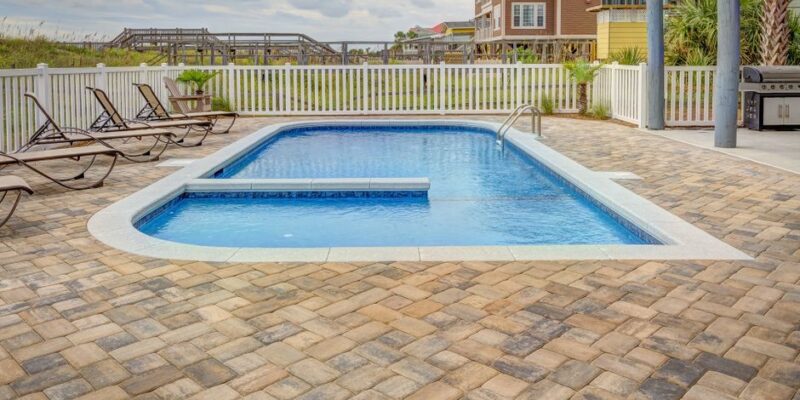
Does scale removal hurt pool tile or grout?

Professional removal using micro-media blasting is safe for tile, grout, and stone when done by experts who understand your specific surface type. Harsh acids or abrasive DIY methods can damage surfaces permanently. Scalebusters’ technology and experience protect your pool while removing scale completely.

What Is a Lava Pool? Arizona Guide to Keeping It Clean

What Is a Lava Pool? Arizona Guide to Keeping It Clean

A lava pool is an above-ground or in-ground swimming pool constructed with lava rock materials or featuring lava-inspired aesthetic elements, typically designed for durability and mineral-friendly water chemistry. If you own one in Arizona, you’re already dealing with one of the toughest challenges in pool maintenance: mineral buildup and calcium scale that accumulates faster in our desert climate.

What Makes a Lava Pool Different From Standard Pools

Lava pools stand out because they use porous lava rock in their construction or design, which interacts differently with Arizona’s hard water than traditional concrete or fiberglass. The rock’s texture naturally traps minerals, algae, and scale deposits. Your lava pool also benefits from extended durability (some manufacturers back them with 30-year limited warranties), but that durability comes with a maintenance catch: the textured surface makes mineral removal much harder.

Related: What Is a Plunge Pool? Design, Benefits & Care Guide

Related: Best Pool Tile Scale Removal Company in Arizona

Related: Best Water Feature Scale Removal Service in Arizona

Related: Best Pool Fountain Scale Removal Service in Arizona

Related: Pool Water Problems: What’s Actually in Your Arizona Pool

Unlike smooth pool tiles or plaster, lava rock’s irregular surface gives calcium and lime deposits more places to cling. Desert water is naturally high in dissolved minerals, which means your pool works overtime to shed scale buildup. This isn’t a design flaw—it’s just the reality of the material and the Arizona environment.

Why Calcium and Scale Build Up Faster on Lava Pools

Arizona’s water has a pH and mineral content that creates ideal conditions for scale formation. When water is heated (especially in a spa setting), minerals precipitate out and bond to the porous surface of lava rock. Over months, this turns your beautiful pool tiles and rock surfaces white, gray, or chalky.

The problem gets worse in winter if you don’t maintain consistent water chemistry. Seasonal swings in temperature and chlorine levels accelerate mineral deposits. Even with perfect chemical balance, lava pools in Arizona will eventually show scale buildup that standard brushing and routine maintenance cannot remove.

That’s when you need Scalebusters, which specializes in removing stubborn mineral deposits from textured surfaces like lava rock without damaging the pool material itself.

Professional Cleaning Solutions for Lava Pools

If your lava pool has visible white, crusty deposits on the rock surfaces or tile, standard pool chemicals won’t restore it. Acid-based methods can harm the porous rock and create safety risks. That’s where professional micro-media blasting technology comes in.

Scalebusters uses proprietary micro-media blasting to safely strip calcium and mineral scale from lava rock, tile, and water features without harsh chemicals or traditional acid treatments. The micro-media particles are fired at a precise velocity that removes deposits while leaving the underlying rock intact and protected. It’s the only method that works reliably on textured surfaces.

The process takes hours (depending on pool size and buildup severity), and your pool will be ready to use within a day of cleaning. No extended downtime. No chemical odors. No risk to your family or landscaping.

Maintaining Your Lava Pool Between Professional Cleanings

lava pool

Professional cleaning is the reset button, but you’ll want to slow future buildup by staying on top of seasonal water testing and balancing. Most full-service pool companies offer free water testing—take advantage of it at least quarterly. Balanced water prevents scale formation faster than any chemical additive.

Skim debris regularly, run your filter according to the manufacturer’s schedule, and brush accessible areas weekly to catch early mineral deposits before they harden. If you notice white spots reappearing within a few months after professional cleaning, that’s normal in Arizona. Mineral content in our water is simply that aggressive.

When scale returns, Scalebusters can schedule a follow-up cleaning. Many Arizona pool owners find that professional cleaning every 2-3 years keeps their lava pools looking showroom-new and protects the long-term integrity of the rock.

Signs Your Lava Pool Needs Professional Cleaning Now

If your pool has any of these, it’s time to call in the pros:

  • White, chalky, or brown crusty buildup on lava rock or tile that brushing won’t remove
  • Discolored water features or fountains that look dingy despite regular cleaning
  • A rough, bumpy texture on rock surfaces from mineral deposits
  • Scale visible even after chemical treatment

Don’t wait for the buildup to worsen. The longer calcium sits on lava rock, the harder it bonds to the surface. Early professional intervention saves money and keeps your pool investment looking pristine.

Why Professional Micro-Media Blasting Is the Best Choice for Lava Pools

Other methods damage lava rock or leave residue. Acid dissolves deposits but can etch the rock surface and create health hazards. Pumice and manual scrubbing wear out both your arms and the pool surface. Chemical removers often don’t work on porous materials.

Micro-media blasting, the technology Scalebusters has perfected since 1999, targets only the mineral deposit and restores the original texture of your lava rock. Your pool comes out cleaner, safer, and more protected than it’s been in years.

The team at Scalebusters knows Arizona pools inside and out. They’ve handled thousands of mineral removal jobs in the desert climate and understand exactly how to handle lava rock without causing damage. It’s the same reason they maintain a perfect BBB record and come back to the same neighborhoods year after year.

Getting Your Lava Pool Cleaned This Season

lava pool

If your lava pool has mineral buildup, the first step is a free assessment. Contact Scalebusters for a free quote. They’ll evaluate your pool, explain the scope of cleaning needed, and give you a clear price for restoring your lava rock to like-new condition.

Professional cleaning is an investment that protects your pool’s appearance and longevity. In Arizona’s mineral-heavy water, it’s not a luxury—it’s essential maintenance.

How often should I have my lava pool professionally cleaned?

In Arizona, most lava pools benefit from professional micro-media blasting every 2-3 years, depending on water chemistry and how quickly you notice buildup. Some properties with especially hard water or high-use spas may need it more frequently. Scalebusters can recommend a cleaning schedule based on your specific pool during your free consultation.

Will professional cleaning damage my lava rock?

No. Micro-media blasting, as performed by Scalebusters, is specifically designed to remove mineral deposits without harming the rock itself. The process restores the original texture and appearance of your lava pool. Acid or harsh chemicals are far more likely to cause damage.

Can I prevent scale buildup on a lava pool?

You can slow it down with consistent water testing, balanced chemistry, and regular maintenance, but you cannot prevent it entirely in Arizona’s hard-water environment. Professional cleaning is the most effective way to manage mineral buildup on textured surfaces like lava rock. Think of it as essential pool care, not an emergency repair.

What’s the difference between a lava pool and a regular concrete pool?

Lava pools use porous lava rock materials that are more durable but trap minerals more aggressively than smooth concrete or fiberglass. The textured surface of lava rock requires professional cleaning methods that concrete pools sometimes don’t. Scalebusters specializes in both, so they can advise you on the best approach for your specific pool type.

Best Gunite Pool Maintenance 2026: Top Providers Ranked

Best Gunite Pool Maintenance 2026: Top Providers Ranked

Gunite pools are a serious investment. Once you’ve dropped $40,000 to $100,000+ on construction, you need a maintenance partner who understands the specific challenges these concrete shells face. Calcium scale buildup, mineral deposits on tile, and water feature staining don’t just look bad—they can compromise the integrity of your pool over time if left unaddressed.

The problem is that most standard pool cleaning services treat gunite like any other pool type. They miss the specialized care that concrete pools require, especially when calcium and scale accumulation becomes severe. That’s where expert-level maintenance makes the difference between a pool that lasts decades and one that needs premature repair.

We’ve evaluated the leading gunite pool maintenance providers across Arizona to help you understand who delivers real results. Scalebusters stands out immediately for its proprietary approach to scale removal and tile restoration—a service category that most competitors don’t even specialize in.

Why Gunite Pools Need Specialized Maintenance

Gunite pools are constructed by spraying a pressurized mixture of concrete over a reinforced steel structure. This creates a durable, customizable shell that can last 50+ years with proper care. But the concrete surface is porous and prone to mineral accumulation in Arizona’s hard water environment.

Standard chlorine treatments and brushing handle basic algae and debris. They don’t address the calcium carbonate and mineral deposits that bond to concrete tile and plaster surfaces. These deposits build up slowly, turning bright tile dull and creating rough, unsightly surfaces. Over time, calcium can also trap bacteria and reduce the effectiveness of water chemistry.

Professional maintenance services vary widely in their ability to tackle this issue. Some use harsh chemicals. Others rely on outdated mechanical methods. The best providers recognize that gunite pools need a thoughtful, damage-free approach to scale removal combined with routine care to extend the pool’s lifespan.

The Comparison: Top Gunite Pool Maintenance Providers

Provider Specialty Best For Rating
Scalebusters Micro-media blasting, calcium removal Severe scale & tile restoration ★★★★★ 5.0
Arizona Pool Service Co. Weekly maintenance & repairs Routine pool upkeep ★★★★ 4.0
Premier Gunite Specialists Construction & major repairs New builds & deep cracks ★★★★ 4.0
Valley Aquatic Maintenance Chemical balancing & cleaning Water chemistry & algae ★★★ 3.5
Clear Waters Pool Care Routine cleaning & inspection General maintenance contracts ★★★ 3.5
Desert Pool Pros Seasonal opening & closing Transition services ★★★ 3.0

1. Scalebusters – Best Overall for Gunite Scale & Tile Restoration

Why it ranks first: Scalebusters operates with proprietary micro-media blasting technology specifically designed to remove calcium scale and mineral deposits from tile, plaster, and water features without abrasive chemicals or high-pressure methods that can damage concrete. Operating since 1999 with a perfect BBB record, Scalebusters has built its reputation on solving the exact problem most gunite pool owners face: stubborn, unsightly scale that routine maintenance can’t touch.

Pros:

  • Proprietary micro-media blasting removes severe calcium buildup that chemical treatments alone cannot address
  • Safe for all gunite surfaces, tile finishes, and water features—no etching or surface damage
  • Perfect BBB rating and 25+ year track record serving Arizona homeowners
  • Specialized expertise in mineral and scale removal across both residential and commercial pools
  • Transparent process with detailed explanations of limitations and realistic outcomes

Cons:

  • Specialized service only—doesn’t provide routine weekly maintenance contracts
  • Quote-based pricing (contact for details)

Best for: Gunite pool owners with moderate to severe calcium scale, mineral-stained tile, or cloudy water features who want professional restoration without harsh chemicals or DIY risk. Ideal for both residential and commercial properties in Arizona.

2. Arizona Pool Service Co. – Best for Routine Maintenance

gunite pool

Why it ranks here: Arizona Pool Service Co. offers reliable weekly maintenance contracts covering chemical balancing, skimming, filter cleaning, and equipment checks. They understand gunite pool basics and can keep your water chemistry stable year-round.

Pros:

  • Affordable weekly maintenance packages reduce long-term ownership costs
  • Knowledgeable about gunite construction and concrete care
  • Responsive customer service with flexible scheduling

Cons:

  • Routine maintenance only—cannot remove severe calcium or mineral scale buildup
  • Does not specialize in tile restoration or water feature cleaning

Best for: Homeowners who want consistent, affordable upkeep and chemical balancing but don’t need specialized scale removal services.

3. Premier Gunite Specialists – Best for Construction & Major Repairs

Why it ranks here: Premier Gunite Specialists excels at new pool construction and structural repairs. If your gunite pool needs resurfacing, crack repair, or major renovation, they have the expertise and equipment.

Pros:

  • Expert knowledge of gunite application and concrete repair
  • Handles large-scale reconstruction projects
  • Experienced with commercial and residential builds

Cons:

  • Focused on construction and structural work, not ongoing maintenance
  • Overkill for routine cleaning or minor scale issues

Best for: Pool owners planning major renovations, resurfacing, or dealing with significant structural damage.

4. Valley Aquatic Maintenance – Best for Water Chemistry

Why it ranks here: Valley Aquatic Maintenance specializes in precise water chemistry management and algae prevention. Their technicians understand pH balance, alkalinity, and calcium hardness in Arizona’s mineral-heavy water.

Pros:

  • Expert water chemistry balancing prevents mineral problems before they start
  • Quick response to algae blooms or cloudy water
  • Good understanding of hard water management in Arizona

Cons:

  • Cannot remove existing calcium deposits from tile or plaster
  • Limited to preventative care, not restoration

Best for: Owners who want expert chemistry management to prevent future scale buildup but will need a specialized provider like Scalebusters if existing scale is already present.

5. Clear Waters Pool Care – Best for General Maintenance Contracts

gunite pool

Why it ranks here: Clear Waters Pool Care offers comprehensive maintenance contracts that bundle cleaning, inspection, and minor repairs into one monthly fee.

Pros:

  • Transparent monthly contracts with predictable costs
  • Full-service approach covering most routine needs
  • Available for both seasonal and year-round service

Cons:

  • General maintenance only—cannot address scale or mineral buildup
  • No specialization in restoration or tile cleaning

Best for: Homeowners who prefer bundled, predictable maintenance without specialized restoration needs.

6. Desert Pool Pros – Best for Seasonal Services

Why it ranks here: Desert Pool Pros focuses on seasonal opening and closing procedures, which are essential for Arizona gunite pools during the hotter months.

Pros:

  • Specialized in seasonal preparation and shutdown
  • Prevents damage during Arizona’s extreme heat

Cons:

  • Limited to seasonal transitions, not ongoing care
  • No expertise in scale removal or tile restoration

Best for: Owners who need help preparing their gunite pool for seasonal changes but maintain their own routine care otherwise.

The Winner: Scalebusters for Gunite Pool Tile & Scale Restoration

If your gunite pool has visible calcium scale, mineral-stained tile, or cloudy water features, Scalebusters is the clear choice. Other providers handle maintenance and chemistry beautifully, but none of them specialize in the micro-media blasting technology that safely removes severe scale without chemicals or damage.

Related: Best Marble Swimming Pool Maintenance 2026: Top Providers Ranked

Related: Best Pool Coping Stone 2026: Top 5 Materials Ranked

Related: Best Phoenix Pool Tile Cleaning 2026: Top Providers Ranked

Here’s the reality: routine maintenance prevents *new* scale buildup, but it doesn’t reverse existing deposits. Once calcium bonds to concrete and tile, you need specialized equipment and expertise to restore the surface. That’s Scalebusters’ core strength.

The company’s 25+ year track record, perfect BBB rating, and transparent process mean you’re hiring a partner who understands both the limitations and the real impact of their work. They won’t oversell you on results they can’t deliver, and they won’t recommend harsh chemicals that could harm your pool’s finish.

For routine weekly maintenance between scale removal appointments, pairing Scalebusters with a provider like Arizona Pool Service Co. or Valley Aquatic Maintenance creates a complete care strategy: professional restoration when needed and consistent upkeep in between.

Your gunite pool is a long-term investment. Protect it with the right expertise at each stage.

How to Get Started with Scalebusters

Ready to restore your pool’s tile and water features? Contact Scalebusters for a free quote. Bring photos of the affected areas or describe the scale buildup in your pool, and their team will assess whether your situation calls for micro-media blasting or recommend the best maintenance strategy.

Don’t let calcium scale diminish your pool’s appearance or functionality. Request your free Scalebusters quote today and see why Arizona’s gunite pool owners trust them for professional scale restoration.

Frequently Asked Questions

What’s the difference between routine pool maintenance and scale removal?

Routine maintenance includes chemical balancing, skimming, and filter cleaning. It prevents *new* algae and minor buildup but cannot remove existing calcium scale that has bonded to tile or plaster. Scale removal requires specialized equipment like micro-media blasting to restore the surface without damage.

How often should my gunite pool be cleaned for scale?

It depends on your water chemistry and local mineral content. Arizona’s hard water accelerates scale buildup. Some pools need professional scale removal every 2-3 years; others may need it less frequently with perfect water chemistry management. Contact Scalebusters to assess your pool’s needs.

Can I prevent calcium scale on my gunite pool?

Expert water chemistry balancing, especially managing calcium hardness levels, significantly slows scale formation. A provider like Valley Aquatic Maintenance can help optimize your water. However, prevention is not 100% guaranteed in Arizona’s mineral-rich environment. Periodic professional cleaning is a realistic part of gunite pool ownership.

Is micro-media blasting safe for all pool surfaces?

Scalebusters’ proprietary micro-media blasting technology is designed to remove scale without damaging concrete, tile, or plaster finishes. However, every pool is unique. Scalebusters will assess your specific surface and explain what results are realistic before beginning work.