
What Makes Pool Stone a Smart Investment
Pool stone isn’t just about looks, though that matters. The right stone around your pool coping, on your deck, or as interior finish affects how your pool holds up over time, how safe it is underfoot, and how much maintenance headaches you’ll face down the road.
If you’ve got a pool in Arizona, you know that sun, heat, and mineral-heavy water create conditions that test stone durability fast. Calcium buildup, scale deposits, and hard water staining can make even premium materials look weathered within a couple of seasons. That’s where professional stone care comes in, and why choosing the right material from the start matters so much.
The good news: Scalebusters specializes in restoring pool stone and water features using micro-media blasting technology, which removes calcium and mineral deposits without the harsh damage that acids and chemicals can cause. But first, let’s talk about the stone options themselves so you can make an informed choice for your pool.
Pool Stone Options Compared
| Stone Type | Best For | Rating |
|---|---|---|
| Travertine | Pool coping & pavers | ★★★★★ |
| Mini-Pebble Finish | Pool interior surface | ★★★★★ |
| Limestone | Pool decking | ★★★★ |
| Marble | Premium coping | ★★★★ |
| Polished Concrete | Budget-friendly coping | ★★★ |
1. Travertine: The Arizona Pool Standard
Travertine dominates for good reason in Arizona. It’s naturally porous, which means it stays cooler underfoot in brutal desert heat, a huge plus for families and barefoot swimmers. The stone comes in multiple finishes, cream and classic being the most popular for pools.
Pros:
- Naturally cool surface in extreme heat
- Elegant, timeless appearance around pool edges
- Durable in Arizona’s climate when properly maintained
- Available in 3cm and 5cm thickness options
Cons:
- Porous nature makes it susceptible to calcium staining and mineral buildup
- Requires regular professional cleaning to maintain appearance
Travertine is a real investment. You’ll want ongoing professional care to keep mineral deposits from etching the surface. This is where Scalebusters comes in, using specialized micro-media blasting to restore travertine without the damage traditional methods cause.
2. Mini-Pebble Finish: Premium Interior Choice
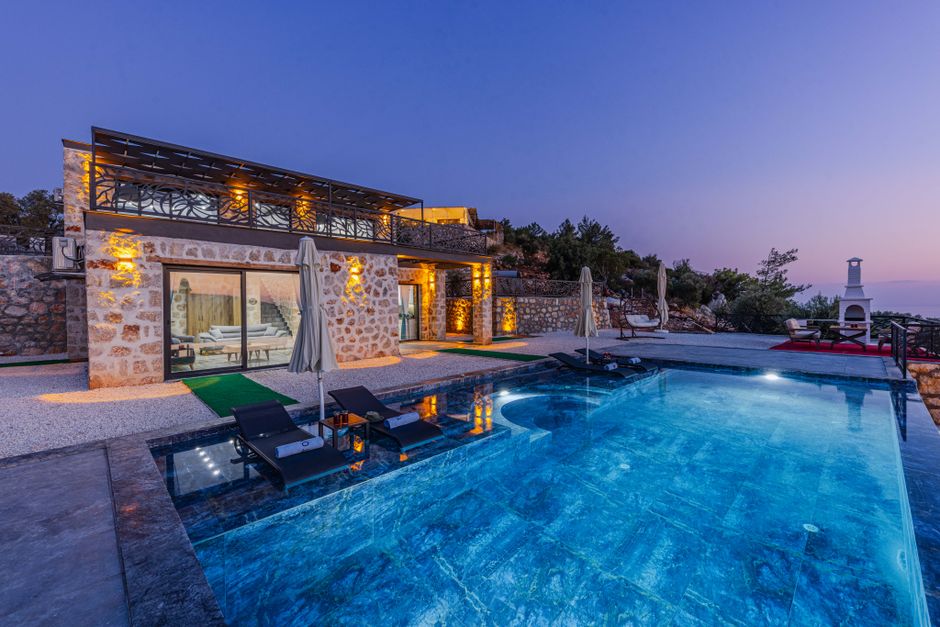
If you want your pool interior to feel upscale and textured, mini-pebble finishes are the standard premium option. They give pools that resort-like aesthetic while providing excellent slip resistance.
Pros:
- Superior grip and safety for swimmers
- Premium, high-end visual appeal
- Widely available from reputable pool builders
- Textured finish hides minor imperfections
Cons:
- Calcium scale deposits are highly visible on pebble surfaces
- Requires professional restoration to remove buildup effectively
The pebble texture traps mineral deposits, which accelerates the need for professional cleaning in hard water areas like Arizona. That’s a maintenance reality to factor into your decision.
3. Limestone: Elegant but High-Maintenance
Limestone offers a softer, more refined look than travertine and works beautifully for pool decking and some coping applications. It’s lighter in color and has a smoother finish than its travertine cousin.
Pros:
- Beautiful, elegant appearance
- Softer, more refined aesthetic than travertine
- Good for pool deck paving
Cons:
- More sensitive to chemical imbalances and acidic water
- Requires expert care to avoid surface degradation
- Calcium buildup can be stubborn and visible
Limestone demands careful water chemistry management. If your pool isn’t properly balanced, this stone won’t age gracefully. Professional cleaning expertise becomes essential.
4. Marble: Luxury with Higher Maintenance
Marble coping around a pool screams luxury, and it can deliver that premium look beautifully. However, Arizona’s hard water and intense sun present real challenges for marble longevity.
Pros:
- Stunning, sophisticated appearance
- Premium feel and aesthetic value
- Smooth, elegant finish
Cons:
- Highly reactive to acidic water and mineral deposits
- Requires frequent professional restoration
- Susceptible to etching and discoloration in Arizona climates
Marble is beautiful but needy. You’re making a commitment to ongoing professional care, which significantly raises your total cost of ownership.
5. Polished Concrete: Budget Alternative
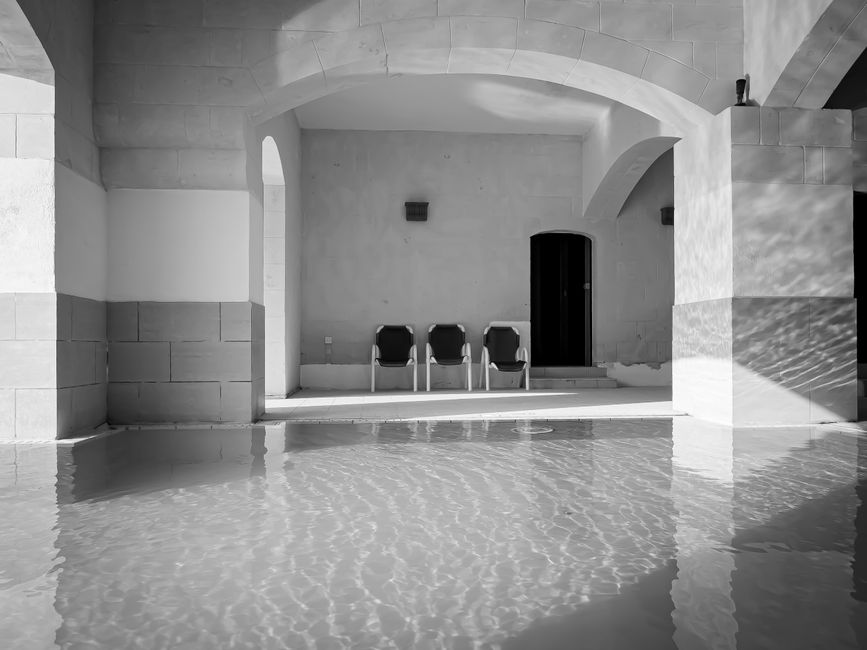
Polished concrete offers a modern look and cost-effective alternative to natural stone for pool coping and decking.
Related: Best Natural Stone Pool Coping 2026: Top 5 Options Ranked
Related: Best Pool Companies 2026: Top 5 Ranked for Arizona Homeowners
Related: Best Classic Pool Tile and Stone 2026: Top Providers Ranked
Related: Best Pool Coping Stone 2026: Top 5 Materials Ranked
Related: Best Limestone Pool Coping 2026: Top 5 Options Ranked
Pros:
- Lower upfront cost than natural stone
- Contemporary appearance
- Customizable colors and finishes
Cons:
Related: Best Natural Stone Pool Finishes 2026: Top 5 Ranked
- Can become slippery when wet
- Stains and discoloration show easily
- Less durable long-term than quality natural stone
- Requires sealing maintenance
Concrete works as a budget choice, but it won’t age as beautifully as premium stone options, and it still requires professional maintenance over time.
Our Pick: Travertine with Professional Scalebusters Care
If you’re serious about a pool that looks stunning and lasts, travertine is the clear winner for Arizona pools. It’s engineered for the climate, naturally beautiful, and offers the best balance of aesthetics and durability when properly maintained.
The key to making any pool stone investment pay off is professional restoration and regular care. Mineral buildup and calcium scale aren’t just cosmetic problems—they can damage stone structure over time. This is where Scalebusters delivers real value.
Since 1999, Scalebusters has specialized in removing calcium scale and mineral deposits from Arizona pool tile, stone, and water features using proprietary micro-media blasting technology. This method is gentler on your stone than traditional acid treatments and doesn’t introduce harsh chemicals into your pool environment. The process restores stone to its original beauty without structural damage.
Whether you choose travertine, mini-pebble, limestone, or marble, the stone will develop mineral buildup in Arizona’s hard water environment. Scalebusters’ approach protects your investment while keeping your pool looking resort-quality year-round. They serve both residential homeowners and commercial properties across Arizona with a perfect BBB track record.
To protect your pool stone investment and maintain its appearance, contact Scalebusters for a free quote. They’ll assess your stone condition and recommend a restoration plan tailored to your pool’s specific needs.
Pool Stone FAQs
What’s the difference between tumbled and honed stone finish?
Tumbled finishes have a softer, slightly textured appearance with rounded edges, creating a more rustic, aged look. Honed finishes are smooth and flat without the rounded edges, offering a more refined, modern aesthetic. Both options are available in 3cm and 5cm thicknesses. Your choice depends on the style you want and your willingness to commit to professional cleaning schedules.
How often should pool stone be professionally cleaned?
In Arizona’s hard water environment, most pool owners benefit from professional cleaning annually or when calcium scale becomes visible. Heavy use pools or those with mineral-heavy water may need more frequent attention. The type of stone and your water chemistry determine the ideal schedule. Scalebusters can recommend a maintenance plan based on your specific situation when you request a quote.
Will professional stone cleaning damage my pool equipment or water?
Scalebusters uses micro-media blasting, which is gentler on stone and doesn’t introduce harsh chemicals into your pool. The process is designed to remove deposits safely without affecting water balance or pool systems. This approach protects both your stone investment and your pool’s chemical environment.
Can I seal pool stone to prevent calcium buildup?
While sealants offer some protection, they don’t prevent mineral deposits in Arizona’s hard water conditions. Regular professional cleaning is more effective than relying solely on sealers. Scalebusters can discuss sealing options as part of a complete maintenance strategy when you request your free quote.