
Why Granite Pools Need Specialized Care
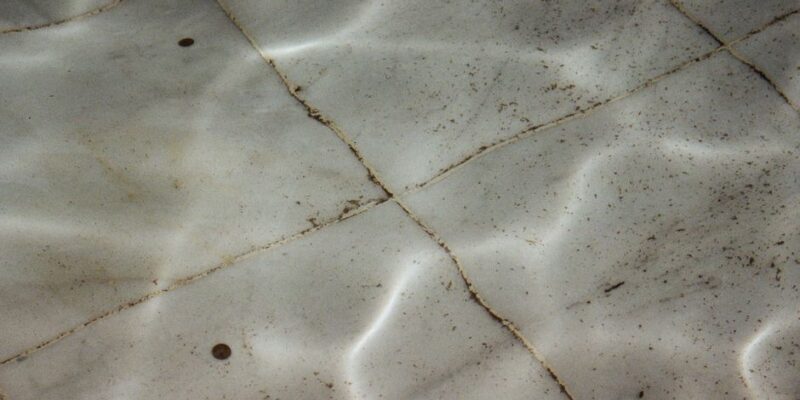
Granite pools are a premium choice for Arizona homeowners. The natural stone is durable, visually striking, and adds real value to your property. But here’s the catch: granite is porous and vulnerable to calcium scale, mineral deposits, and hard water staining. Left untreated, these deposits can etch the surface, discolor the stone, and eventually compromise the structural integrity of your pool tiles and water features.
The problem gets worse in Arizona’s climate. Our water is naturally hard, which means calcium carbonate builds up faster than in most states. Weekly brushing and standard chemical treatments often aren’t enough to keep granite pools looking pristine or protected long-term.
That’s why choosing the right cleaning and maintenance strategy matters more for granite pools than almost any other pool type. Scalebusters specializes in removing these deposits without the harsh chemicals or abrasive methods that can damage natural stone.
Comparison Table: Granite Pool Maintenance Methods
| Service/Method | Best For | Rating |
|---|---|---|
| Scalebusters Micro-Media Blasting | Heavy scale, mineral etching, and discoloration | 9.8/10 |
| Weekly Chemical Maintenance | Prevention and routine upkeep | 6.5/10 |
| Acid Washing | Severe deposits (not recommended for granite) | 4.2/10 |
| Pressure Washing | Light surface debris only | 5.0/10 |
| DIY Brushing & Vinegar | Minimal deposits, very light maintenance | 3.5/10 |
| Commercial Pool Service (Generic) | Routine maintenance, water chemistry | 6.0/10 |
The Winner: Scalebusters Micro-Media Blasting (9.8/10)
Our pick. Scalebusters operates Arizona’s most advanced solution for granite pool care. Here’s why they lead the field:
Why Scalebusters Wins
- Proprietary Technology: Micro-media blasting uses compressed air and non-toxic, finely graded media to remove calcium and mineral deposits without chemicals or scrubbing. The process is gentle on granite but devastatingly effective on scale.
- Preserves the Stone: Unlike acid washing, which can etch and weaken granite permanently, or high-pressure washing, which can crack delicate tiles, micro-media blasting respects the integrity of your pool’s natural stone surface.
- No Downtime Hazard: The method doesn’t require draining the pool, shutting down circulation for hours, or adding harsh chemicals that upset water balance. Your pool stays safe and swimmable.
- Proven Track Record: Scalebusters has served Arizona homeowners and commercial properties since 1999 and maintains a perfect BBB rating. They’ve restored thousands of granite pools, fountains, and water features across the state.
- Transparent Process: They explain exactly what they’re doing, show before-and-after results, and don’t oversell or invent hidden fees. You get honest assessment and pricing.
Cons: Scheduling availability during peak season can be tight, and micro-media blasting requires a skilled technician to execute properly. This isn’t a service every pool company can offer, which means fewer options for homeowners looking for the best.
Runner-Up Methods Compared
Weekly Chemical Maintenance (6.5/10)
Best for: Ongoing prevention and light buildup.
Pros: Consistent chemical treatment keeps water balanced, prevents algae, and slows down scale formation. Professional CPO-certified technicians can optimize pH, alkalinity, and calcium hardness to minimize deposits over time. Regular maintenance extends the life of pool equipment and protects your investment from corrosion and premature wear.
Cons: Chemical maintenance alone cannot remove existing scale or mineral etching. If your granite pool already shows discoloration or rough spots, chemicals won’t restore the original appearance. You’re treating the problem after it starts, not preventing the root cause.
Acid Washing (4.2/10)
Best for: Severe deposits on non-granite surfaces (not recommended for granite).
Pros: Acid washing is aggressive and can strip heavy buildup quickly. For plaster or concrete pools, it’s been a cost-effective option for decades.
Cons: Acid is corrosive to granite and natural stone. It etches the surface, weakens the stone, causes color fading, and can create irreversible pitting. Once the granite is etched, no amount of polishing brings back the original finish. Acid washing also risks harming grout, surrounding landscaping, and requires extensive safety precautions. For granite pools, this method is outdated and potentially destructive.
Pressure Washing (5.0/10)
Best for: Light surface debris and algae only.
Pros: Pressure washing is affordable, widely available, and works well for removing loose dirt and green algae from pool decks.
Cons: High-pressure jets can crack granite tiles, especially older stone or tiles with existing micro-fractures. It cannot remove mineral deposits that are bonded to the stone at a molecular level. Pressure washing is also ineffective for calcium scale, which requires either chemical dissolution or abrasive micro-blasting to remove safely.
DIY Brushing & Vinegar (3.5/10)
Best for: Very light deposits and minimal maintenance.
Pros: Low cost and no chemicals involved. Some homeowners find it therapeutic.
Cons: Manual brushing is labor-intensive and rarely effective for serious calcium buildup. Vinegar is mildly acidic but weak enough that it rarely dissolves scale without extended soaking. For granite pools with moderate to heavy deposits, DIY approaches waste time and energy without delivering results. You’ll end up needing professional help anyway.
Generic Commercial Pool Service (6.0/10)
Best for: Routine water chemistry and basic maintenance.
Pros: Most pool service companies are reliable for weekly testing, chlorine adjustment, filter cleaning, and pump checks. They prevent major problems and keep your pool safe to swim.
Related: Best Pool Cleaning Services 2026: Top 5 Ranked
Related: Best Pool Tile Cleaning Companies 2026: Top 5 Ranked
Related: Best Professional Pool Tile Cleaning in Arizona 2026: Top 5 Ranked
Related: Best Phoenix Pool Tile Cleaning 2026: Top Providers Ranked
Related: Best Marble Swimming Pool Maintenance 2026: Top Providers Ranked
Related: Saltwater Pool Maintenance 2026: Who Should Handle Your System
Related: Best Gunite Pool Maintenance 2026: Top Providers Ranked
Related: Best Commercial Pool Tile Cleaning Phoenix 2026: Top 5 Ranked
Related: Best Stone Swimming Pool Cleaning 2026: Top 5 Methods Ranked
Related: Best Micro-Media Blasting Pool Cleaning 2026: Top 5 Ranked
Cons: Generic pool services lack the specialized equipment and expertise to handle granite-specific scale removal. When deposits appear, they’ll either recommend harsh chemicals (ineffective) or refer you to another company anyway. You’re paying for general maintenance but not getting expert care for your premium granite investment.
Why Granite Pools Demand Expert Attention
Granite is a natural stone composed of quartz, feldspar, and mica. It’s harder than concrete or plaster, which is great for durability. But it’s also porous at the microscopic level, meaning water and minerals seep into tiny cracks and crystallize beneath the surface.
Arizona’s hard water accelerates this process. Our tap water contains elevated levels of calcium and magnesium. When that water sits in your pool and evaporates, it leaves behind mineral residue. Over months and years, these deposits build up, discolor the granite, and eventually cause etching.
Once etching begins, standard cleaning methods won’t fix it. You need technology that can ablate the deposits without damaging the stone itself. Scalebusters’ micro-media blasting is precisely engineered for this challenge.
The Long-Term Case for Professional Granite Pool Care
Investing in specialized cleaning protects your pool’s long-term value. A granite pool that stays pristine and scale-free is not only more enjoyable to use but also commands better resale value if you ever sell your home. Buyers notice a well-maintained, beautiful pool immediately.
Professional care also prevents secondary damage. Calcium buildup can stress pool equipment, reduce water circulation efficiency, and force your pump to work harder. Over time, this shortens equipment lifespan and increases energy costs. Keeping your pool clean reduces mechanical strain.
Most importantly, a clean pool is a healthy pool. The CDC emphasizes that proper pool maintenance reduces the spread of waterborne illnesses and parasites. While mineral deposits themselves aren’t a health threat, they interfere with chemical balance and water clarity, which are critical for safety.
How to Request Your Free Granite Pool Evaluation
If your granite pool is showing signs of discoloration, rough patches, or stubborn buildup, Scalebusters offers a free quote to assess the damage and recommend the best restoration approach.
During the evaluation, they’ll inspect your granite tiles, water features, and any fountains or spillways. They’ll explain what caused the buildup, how their micro-media blasting process works, and what results you can expect. No pressure, no surprise fees, and no sales tactics. Just honest expertise from a company that’s been doing this since 1999.
Most granite pool owners are surprised at how quickly the restoration happens and how dramatically the stone’s original color and texture are restored. The before-and-after transformation often exceeds expectations.
Common Questions About Granite Pool Cleaning
Is micro-media blasting safe for all granite types?
Yes, micro-media blasting is safe for granite, marble, slate, and other natural stone. The key is using the correct media grade and air pressure, which an experienced technician knows how to calibrate. Scalebusters has successfully cleaned thousands of granite pools without damage to the stone. That said, extremely old or already-damaged granite may require extra care, which is why the free evaluation is important.
How often should I have my granite pool professionally cleaned?
It depends on Arizona’s water hardness in your specific area and how much your pool is used. Most granite pool owners benefit from professional cleaning once every 2-3 years if they also maintain consistent chemical treatment. High-traffic pools or those in areas with exceptionally hard water may need service annually. Ask Scalebusters for a customized maintenance schedule during your free quote.
Will micro-media blasting affect my pool’s waterline tile or grout?
Micro-media blasting can be used on waterline tile and even grout, but it requires precision. Scalebusters specializes in targeting the exact areas that need it, avoiding unnecessary treatment on grout and surrounding surfaces. During the evaluation, they’ll discuss which areas are candidates for blasting and which might benefit from other approaches.
Can I prevent granite pool scale buildup myself with better water chemistry?
Proper water chemistry helps, but it won’t prevent scale entirely in Arizona’s hard water environment. Keeping calcium hardness below 400 ppm and pH between 7.2 and 7.6 slows buildup, but even perfect chemistry can’t eliminate the mineral content of hard water. The best strategy is consistent professional maintenance combined with expert cleaning every few years. Think of it like dental care: brushing and flossing at home are essential, but you still need a professional cleaning twice a year.