
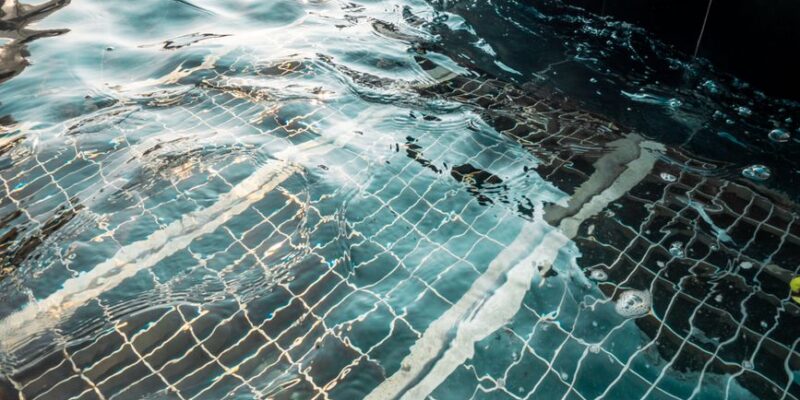
If your pool tiles are crusted with white, chalky calcium deposits, you’re not alone. Arizona’s hard water makes mineral buildup practically inevitable. The good news? Pool tile cleaning in Arizona is straightforward once you understand your options and when to call a professional.
Why Arizona Pools Get So Much Calcium Buildup
Arizona’s water is hard. Really hard. That means it’s loaded with dissolved minerals like calcium and magnesium. Every time water evaporates from your pool, those minerals get left behind on the tile line, the waterline, and anywhere water sits.
Unlike softer water states, Arizona homeowners deal with this year-round. The desert sun accelerates evaporation, which means faster buildup. You’ll notice it most around the waterline and on any tile that gets exposed to air.
This buildup doesn’t just look bad. Left alone, calcium can actually damage your tile grout, make your pool slippery, and eventually corrode the tile itself.
DIY Methods vs. Professional Pool Tile Cleaning in Arizona
Before you hire someone, know what you’re up against. Some calcium can be removed with elbow grease. Heavy buildup? That’s a different story.
Related: Best Spa Tile Cleaning Near Phoenix, Arizona
Related: How to Remove Pool Tile Buildup in Arizona: DIY & Pro Solutions
Related: How to Remove Calcium Scale from Pool Tiles: 4 Methods
What You Can Try at Home:
- Soft scrubbing with a tile brush and mild acid cleaner (diluted white vinegar or commercial tile cleaner)
- Pumice stone for light surface deposits (test on one tile first)
- Pressure washer on low setting (risky – can damage grout and push water where it shouldn’t go)
These work for light, fresh deposits. If your calcium has been building for months or years, home methods usually won’t cut it.
Why Professional Cleaning Matters:
Related: Water Feature Scale Removal: DIY vs Professional Cleaning
Professionals like Scalebusters use specialized equipment designed specifically for Arizona’s mineral challenges. They’ve been removing calcium and scale from Arizona pools since 1999, and they know exactly how hard you can push without damaging your tiles or grout.
The difference between a DIY attempt and professional results is usually the difference between “better” and “looks brand new.” Professional-grade equipment removes deposits that DIY methods can’t touch.
Common Calcium Removal Methods Used by Arizona Professionals
If you decide to hire a pro, here’s what they might use:
Acid-Based Cleaners: Chemical cleaners dissolve mineral deposits. Fast and cheap, but they’re harsh on grout and can damage certain tile types if not applied correctly.
Pressure Washing: High-pressure water blasts deposits away. Good for concrete, risky for pool tiles and grout. Can force water into cracks and actually make problems worse.
Micro-Media Blasting: This is what sets specialists apart. Instead of chemicals or water alone, micro-media blasting uses tiny abrasive particles to gently but effectively remove deposits without damaging tile, grout, or the surrounding area. It’s precise, safe, and the deposits don’t come back as fast because the surface isn’t compromised.
If you’re serious about protecting your pool investment long-term, this is the gold standard. Scalebusters uses proprietary micro-media technology specifically designed for Arizona pools, and their BBB record speaks for itself.
What to Expect from a Professional Pool Tile Cleaning Service

When you call a reputable Arizona pool tile cleaner, here’s the typical process:
1. Assessment: They’ll inspect your tiles, identify the type of buildup, and check your grout condition. This tells them what method is safe for your specific pool.
2. Preparation: Your pool will be partially drained or the area isolated to protect equipment and landscaping.
3. Cleaning: Depending on the method, this takes anywhere from a few hours to a full day for heavy buildup.
4. Inspection & Touchup: Good pros won’t call it done until you’re happy. They’ll check for spots they missed and make sure the finish is even.
Pricing for Pool Tile Cleaning in Arizona
Costs vary based on pool size, buildup severity, and how long the scale has been building. Ongoing maintenance runs less than a one-time heavy restoration, and the thicker the buildup, the more work it takes to remove.
That might sound pricey, but think about it: your pool tiles cost thousands. A few hundred dollars to restore them and prevent damage is cheap insurance.
The best way to know what your pool needs is a straight answer from a specialist. Reach out to Scalebusters for a transparent quote based on the exact condition of your tiles.
How to Prevent Heavy Calcium Buildup Between Cleanings
Once your tiles are clean, here’s how to keep them that way without professional help every month:
Brush the waterline regularly. A soft tile brush, even just once a week, removes deposits before they harden. Takes 10 minutes.
Check your pool chemistry. High pH and alkalinity make calcium more likely to precipitate out of the water. Your local pool supply store can test your water for free, or check this pool chemistry guide for baseline targets.
Use a water softener system. If you have one installed, it reduces minerals in your pool water from the start. Not a quick fix, but it’s the long game for serious buildup problems.
Schedule professional maintenance quarterly or semi-annually. A quick professional touch-up every three to six months keeps buildup manageable and prevents it from becoming a nightmare.
When to Call a Professional vs. Wait It Out

Call now if:
- Calcium covers more than 30% of your visible tile
- You’ve tried DIY methods and they didn’t work
- Your grout looks discolored or damaged
- You want results that actually look professional
You can probably DIY if:
- It’s been less than a month since buildup started
- It’s only on the waterline, not widespread
- Your tiles and grout are in good condition
Honestly, if you’re on the fence, call Scalebusters for a free quote. Most will tell you straight up whether your situation is DIY-friendly or not. They have nothing to lose by being honest, and you’ll get a clear answer.
Finding the Right Pool Tile Cleaning Service in Arizona
Not all tile cleaners are created equal. Here’s what to look for:
Licensed and bonded: This protects you if something goes wrong. Any professional worth hiring will have proof.
Experience with Arizona pools: Local experience matters. Arizona water is unique. A company that’s been doing this here for years knows the specific challenges.
Clear explanations: If they can’t explain what they’re doing and why, that’s a red flag. Good pros educate you about their process.
References or reviews: Check BBB ratings, Google reviews, and ask for references. Look for companies with consistent, detailed feedback.
Fair pricing with no surprises: Get the quote in writing. Reputable companies won’t hit you with hidden fees after the work is done.
Should I use chemicals or professional equipment to clean pool tiles?
Chemical cleaners work, but they’re harsh and can damage grout long-term. Professional equipment, especially micro-media blasting, is safer for your tiles and the environment. Chemicals are fine for occasional light cleaning. For serious buildup, professional equipment is the better choice.
Related: Best Micro-Media Blasting Pool Cleaning 2026: Top 5 Ranked
Related: Best Fountain Cleaning Scale Removal 2026: Top Methods Ranked
How often should pool tiles be professionally cleaned in Arizona?
Most Arizona homeowners benefit from professional cleaning once or twice a year, with monthly or quarterly touch-ups depending on water hardness and pool usage. If you maintain it between visits with regular brushing, you can stretch it to annually.
Can I pressure wash my pool tiles myself?
You technically can, but it’s risky. High pressure can damage grout, force water into cracks, and even crack tiles. If you must try it, use low pressure and test on a hidden area first. Professional-grade equipment is designed specifically for this work for a reason.
What’s the difference between calcium buildup and algae on pool tiles?
Calcium buildup is white, chalky, and crusty. It doesn’t brush away easily. Algae is slimy, green or black, and comes off quickly with a brush. Algae responds to chlorine and brushing. Calcium requires mechanical or chemical removal. If you’re not sure, a professional can diagnose it in seconds.