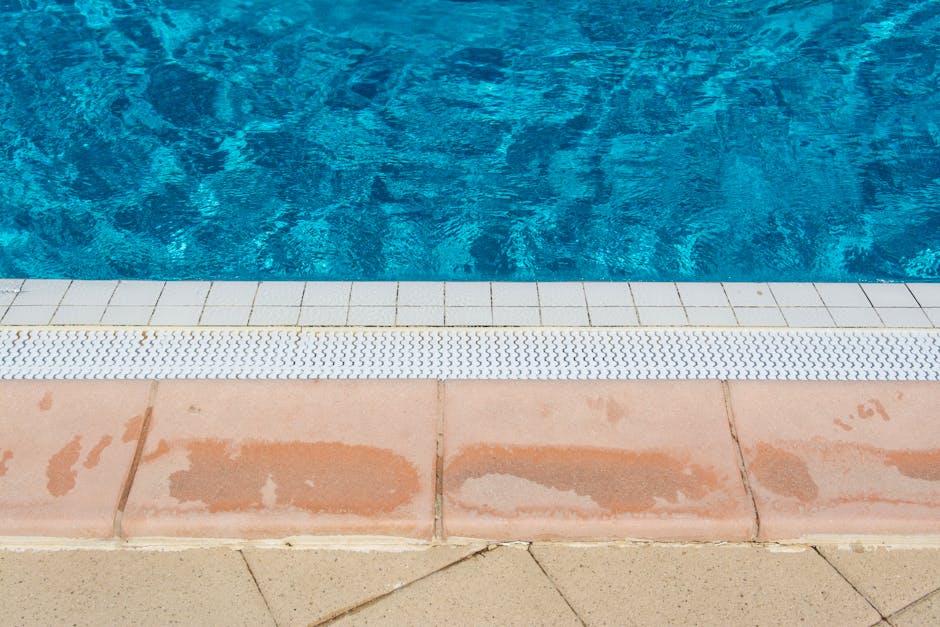
Calcium scale on pool tiles isn’t just an eyesore—it can actually damage the tile surface and make your pool look neglected. The good news? You have real options to get rid of it, from quick DIY fixes to specialized professional services.
If you’re dealing with stubborn white, crusty buildup around your waterline or on fountain features, here’s everything you need to know about calcium scale removal for pool tiles and how to pick the right method for your situation.
Related: Best Fountain Cleaning Scale Removal 2026: Top Methods Ranked
Why Calcium Scale Builds Up on Pool Tiles
Calcium deposits form when your pool water has high calcium hardness levels. Hard water leaves mineral residue every time water evaporates from your tiles, especially around the waterline where splash and evaporation happen constantly.
The problem gets worse in Arizona’s dry climate. Dry air speeds up evaporation, which means more minerals get concentrated on your tile surface. It’s not a sign of poor maintenance—it’s just chemistry.
The longer you wait to remove scale, the harder it bonds to the tile. Fresh deposits are way easier to clean than buildup that’s been sitting for months or years.
Related: How to Remove Pool Tile Buildup in Arizona: DIY & Pro Solutions
Method 1: Muriatic Acid (The DIY Chemical Approach)
Muriatic acid is one of the most effective DIY solutions for calcium scale removal on pool tiles. Mixed correctly, it dissolves calcium deposits without harming most tile types.
The right ratio is critical: Mix 3 parts water to 1 part muriatic acid. Never reverse this—always add acid to water, not water to acid.
Safety first: Wear heavy-duty rubber gloves, eye protection, and a respirator. Work in a well-ventilated area and keep kids and pets away from the pool during application.
How to apply it: Spray the solution directly onto the calcium deposits. Let it sit for 10-15 minutes, then scrub with a soft brush. Rinse thoroughly with fresh water multiple times until all acid residue is gone.
This method works best for light to moderate buildup. Severe, thick scale might need multiple applications.
Method 2: Commercial Calcium Removers (The Easier DIY Option)
If muriatic acid sounds intimidating, pool-specific calcium removal products are your friend. These commercial solutions are formulated to handle calcium, iron, copper, and rust stains all at once.
These products are safer to handle than acid—no mixing required, and they usually come with clear spray-on instructions. They work on glass, ceramic, and porcelain tiles.
The trade-off? They’re slower than muriatic acid and might need longer soak times or multiple applications on heavy deposits. Cost is also higher per use.
Method 3: Pumice Stones and Light Pressure Washing
For fresh, light calcium deposits, a pumice stone can work surprisingly well. Wet the tile, rub the pumice stone gently over the scale, and rinse. No chemicals involved.
Light pressure washing (under 1,500 PSI) can also be effective for scale removal without damaging most pool tile. The key word is “light”—too much pressure will damage grout and some softer tile surfaces.
These methods are best for maintenance—catching scale early before it gets thick and stubborn.
Method 4: Professional Micro-Media Blasting (The Heavy-Duty Solution)
When calcium scale is thick, stubborn, or covering large areas of your pool, professional removal is worth the investment. Scalebusters uses proprietary micro-media blasting technology that removes even years-old mineral deposits without harsh chemicals or damage to the tile itself.
This method is perfect if you’ve tried DIY approaches and the scale won’t budge, or if you want to restore your pool tiles to like-new condition without the risk of acid damage or surface scratching.
Professional removal also includes water feature cleaning—fountains, spillways, and decorative jets where scale tends to accumulate fast. If you’re noticing buildup across multiple surfaces, Scalebusters can assess your whole pool and create a restoration plan.
Prevention: Stop Scale Before It Starts
Removal is important, but prevention saves you time and money. The first step is testing and balancing your water chemistry. High calcium hardness is the root cause, so keeping levels in check stops scale from forming in the first place.
Target calcium hardness levels between 200-400 ppm (parts per million). If your water is higher, you might need to partially drain and refill your pool, or work with a pool service to adjust chemistry.
Regular brushing of the waterline also helps. Gentle weekly brushing prevents calcium from bonding deeply to the tile surface.
If you live in an area with extremely hard water (like much of Arizona), periodic professional cleaning makes sense. Rather than letting scale build up for years, an annual or bi-annual cleaning keeps your pool looking great and protects the tile from permanent damage.
Which Method Should You Choose?
Go DIY with commercial products if: You have light, fresh deposits and want to save money. These are safest for beginners.
Try muriatic acid if: You’re comfortable with chemical safety and have moderate buildup. It’s cheaper and faster than commercial products.
Call a professional if: The scale is thick or covers a large area, you’ve tried DIY and it didn’t work, you want a guarantee, or you value your time and want it done right the first time.
Hard water deposits form from minerals like calcium and magnesium that don’t dissolve easily, so even perfect pool maintenance won’t completely prevent scale in areas with naturally hard water.
That’s why Arizona pool owners often cycle through professional cleaning. It’s not a sign you’re doing something wrong; it’s just part of pool ownership in our climate.
Protecting Your Investment Long-Term
Your pool tiles are an investment. Calcium scale doesn’t just look bad—over time, thick deposits can cause etching and permanent discoloration. Taking scale seriously now prevents costly tile damage later.
Whether you handle removal yourself or bring in specialists, the key is consistency. Address buildup before it becomes a huge problem, and keep your water chemistry balanced year-round.
If you’re dealing with stubborn, widespread scale and want expert advice on the best removal method for your specific tiles and pool setup, Scalebusters has been removing calcium scale and mineral deposits since 1999 with a perfect service record. They can assess your pool and recommend whether DIY is realistic or if professional restoration makes more sense.
Will calcium scale damage my pool tiles permanently?
Not if you remove it in time. Fresh deposits rinse right off. But thick, old scale can etch and stain tiles, causing permanent discoloration. The longer you wait, the higher the risk of permanent damage.
Related: Pool Tile Cleaning in Arizona: Remove Calcium & Scale
Is muriatic acid safe for all tile types?
Muriatic acid works on most glazed ceramic, porcelain, and glass tiles, but it can damage natural stone tiles like slate or travertine. Always test on a hidden area first, and never use it on limestone or marble.
How often should I clean calcium scale off my pool tiles?
It depends on your water hardness. Some Arizona pools need cleaning annually, while others might go 2-3 years. Hard water means more frequent scale formation. Regular brushing and chemistry balancing reduce how often deep cleaning is needed.
Can I prevent calcium scale entirely?
Not completely in hard water areas, but you can minimize it. Keep calcium hardness between 200-400 ppm, run your pool circulation system regularly, brush the waterline weekly, and maintain proper pH and alkalinity. These steps slow scale formation significantly.